资源简介
 Encyclopedia

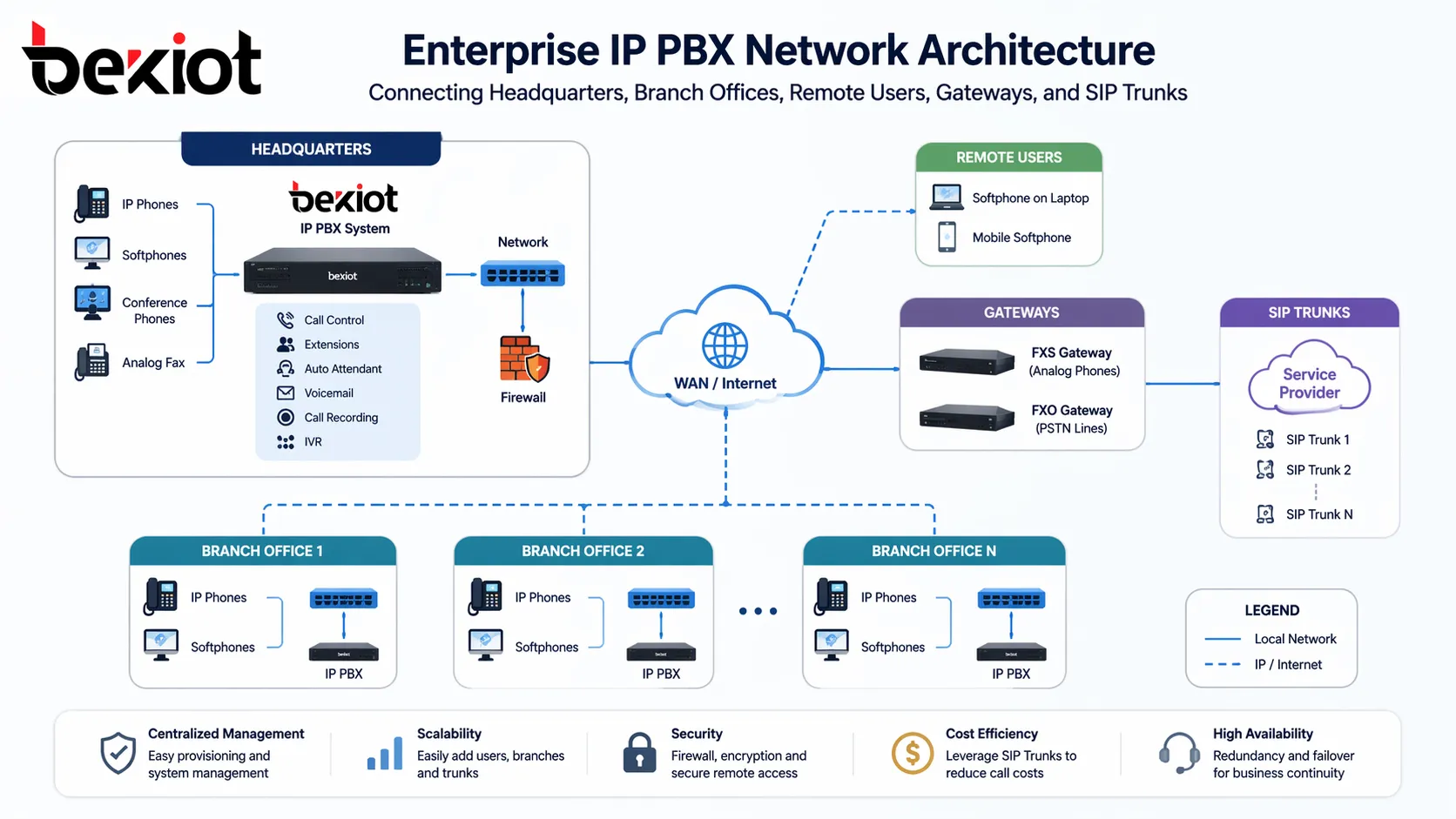
IP PBX stands for Internet Protocol Private Branch Exchange. In practical terms, it is a business phone system that uses IP networks to manage internal extensions, external calling, call routing, and related communication services. Instead of depending entirely on traditional circuit-switched telephony hardware, an IP PBX handles call control in software or software-driven platforms and connects users, phones, gateways, trunks, and applications through IP-based networking.
That definition sounds simple, but the real value of an IP PBX is not just that it uses Ethernet instead of old copper voice wiring. Its real significance is that it turns telephony into part of the wider data network. Once calls become IP sessions, an organization can bring voice, mobility, voicemail, call queues, remote extensions, softphones, SIP trunks, intercom endpoints, contact center tools, paging, and business applications into one architecture.
This is why IP PBX systems appear in so many environments today. Offices use them for routine business calling. Factories use them with industrial phones and gateways. Hospitals, campuses, warehouses, hotels, ports, and transport hubs use them for internal communications and external connectivity. Even when a company moves toward cloud telephony, the underlying logic often still looks very similar to an IP PBX architecture: users, extensions, signaling, trunks, policies, media paths, and integration points.
This article explains what an IP PBX is, how it works, what features it usually provides, how its network architecture is structured, and where it is commonly used in real deployments.
A traditional PBX was designed to manage calls inside an organization and connect those users to the public telephone network. An IP PBX keeps that same basic role but moves the system onto IP infrastructure. Instead of relying mainly on proprietary switching hardware and TDM lines, it typically uses SIP or related IP-based signaling methods to register endpoints, route calls, manage extensions, and connect to external networks or service providers.
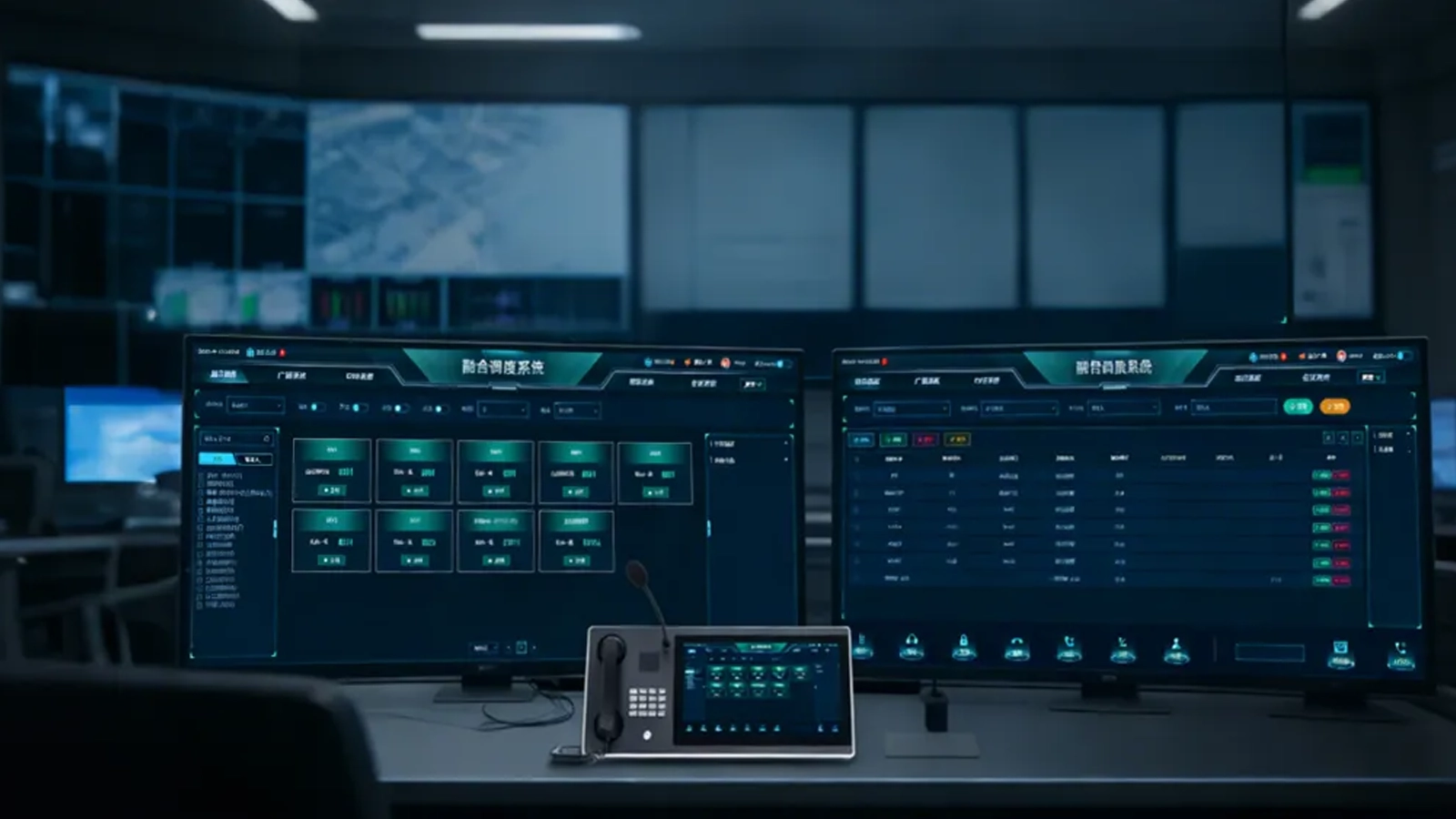
In many environments, an IP PBX acts as the central call control platform. IP phones register to it. Softphones and mobile clients authenticate to it. SIP trunks connect through it. Gateways attach legacy analog or digital lines to it. Auto attendants, ring groups, voicemail, recording platforms, and dispatch or contact center functions are built around it. In other words, the IP PBX is not just a “phone box.” It is the policy and routing brain of the voice system.
Some IP PBX systems are delivered as on-premises software running on a server or appliance. Others are virtualized in private infrastructure. Others are hosted in public cloud or delivered as managed services. The deployment model can vary, but the underlying purpose stays consistent: manage enterprise calling and communications over IP.

At a high level, an IP PBX works by accepting registrations from endpoints, applying dial plan and routing logic, signaling sessions between parties, and directing media streams to the right destination. In a SIP-based environment, phones or clients register with the system, the IP PBX tracks where each extension is reachable, and when a user dials a number, the platform decides what to do with that call.
For an internal call, the IP PBX may simply connect one registered extension to another. For an external call, it may send the call to a SIP trunk provider, a Session Border Controller, a PSTN gateway, or another PBX node. For an inbound call, it may first send the call through an SBC or gateway, then apply policies such as DID mapping, IVR, business hours rules, queue routing, operator logic, or ring group treatment before presenting the call to the destination user or team.
The system usually separates signaling from media logic. Signaling decides how calls are set up, modified, transferred, forwarded, or terminated. Media carries the audio stream itself, often using RTP after codec negotiation. Depending on the deployment, the media may pass directly between endpoints, be anchored by the PBX, traverse an SBC, or pass through a gateway for transcoding, recording, or policy enforcement.
In practical engineering terms, an IP PBX normally handles tasks such as these:
This is also why IP PBX design cannot be reduced to “plug phones into a switch.” A successful deployment depends on addressing numbering plans, SIP interoperability, codec policy, NAT traversal, LAN quality, security, survivability, and how the organization wants calls to flow during both routine operations and network failures.
An IP PBX is best understood as a communications control platform, not just as a replacement for a legacy phone cabinet.
The most basic function of an IP PBX is to create and manage extensions. Each user, department, room, device, or service point can be assigned an extension identity and related permissions. That may sound simple, but this is the starting point for almost every other enterprise call control function.
One of the biggest advantages of an IP PBX is that routing becomes flexible and policy-driven. Administrators can decide how internal calls, local calls, long-distance calls, international calls, emergency calls, or special service calls should be handled. Calls can be routed by prefix, pattern, time of day, user class, business unit, or failover condition.
Many organizations use the IP PBX to answer inbound calls automatically and present menu options. This improves call handling consistency and reduces dependence on a live operator for basic call distribution. In more advanced setups, IVR can integrate with CRM, database, or service workflows.
Departments such as sales, support, reception, and dispatch often need calls delivered to a group rather than a single extension. IP PBX systems commonly support ring groups, hunt groups, or queue-based distribution so calls can be delivered in a controlled order and escalated if nobody answers.
Voicemail remains a core PBX feature, but in IP systems it is often integrated with email, desktop clients, web portals, or mobile applications. This makes message retrieval easier and reduces the separation between voice and IT workflows.
These familiar phone functions are still central in business calling. The difference is that an IP PBX can apply them across a wider range of devices and locations, including office desk phones, remote softphones, warehouse handsets, or industrial help points.
Modern IP PBX platforms often include audio conferencing and may also integrate with video meetings, chat, or collaboration services. Even when the PBX itself is voice-focused, it usually participates in the broader unified communications environment.
One reason organizations move from legacy PBX to IP PBX is that the extension is no longer tied to a single physical desk. Softphones, mobile apps, VPN-connected devices, and internet-connected branch phones can all operate as part of the same communications system when the deployment is designed correctly.
Many IP PBX platforms include call detail records, presence status, queue reports, call recording options, or administrative dashboards. These functions are especially important in service teams, regulated environments, and multi-site operations where call visibility matters.

The network architecture of an IP PBX can be simple in a small office or highly layered in a large enterprise, but most deployments follow a recognizable structure. Understanding this structure is more useful than memorizing brand-specific diagrams because the same architectural logic appears again and again across vendors.
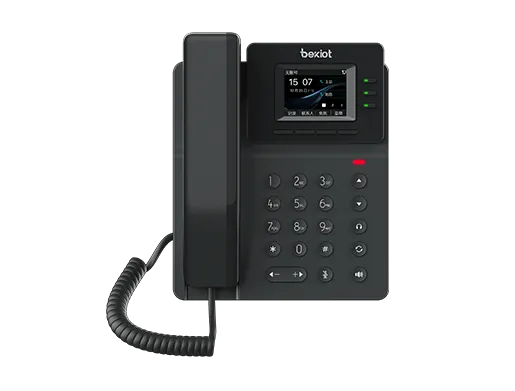
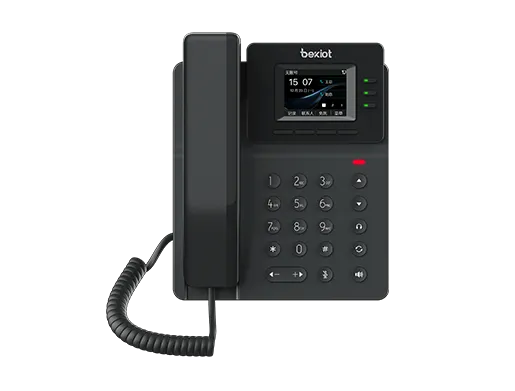
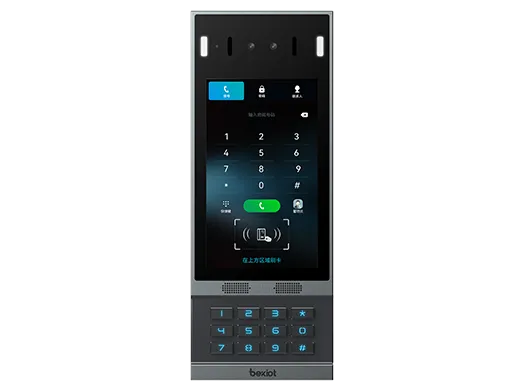
At the edge of the system are the endpoints: IP desk phones, softphones, Wi-Fi handsets, conference phones, video phones, analog phones connected through ATAs or FXS gateways, industrial telephones, intercom devices, paging endpoints, and mobile clients. These endpoints register to the platform and represent the users or service points that participate in calls.
Below the endpoint layer sits the network that carries signaling and media. This usually includes Ethernet switches, PoE switching for phones, routers, VLAN separation, QoS policy, wireless infrastructure where applicable, and WAN links for branch connectivity. In a healthy design, voice traffic is not treated as an afterthought. The network is prepared for latency, jitter, packet loss, power continuity, and security requirements.
This is the logical core of the system. The IP PBX handles registrations, extension management, dial plan logic, service features, user policies, and call routing decisions. In some architectures this is a single node. In others it is a cluster, active-standby pair, geo-redundant service, or hybrid arrangement between headquarters and branch survivability nodes.
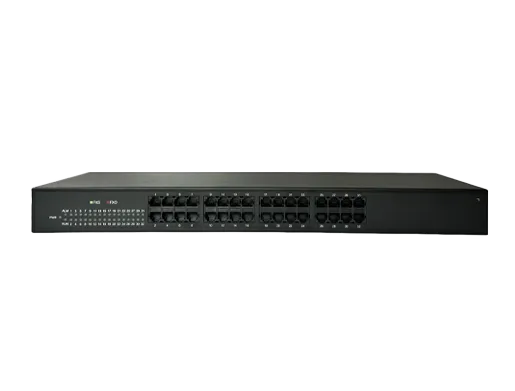
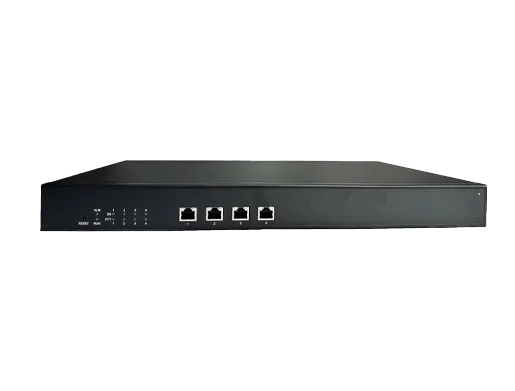
Enterprise voice systems do not operate in isolation. They must connect to service providers, the PSTN, legacy PBXs, analog devices, radio or dispatch systems, conferencing tools, paging systems, or collaboration platforms. This is where SIP trunks, gateways, and SBCs come into the picture.
Many IP PBX deployments now integrate with business systems such as CRM platforms, help desk tools, hotel PMS systems, nurse call systems, industrial alarm platforms, or Microsoft Teams and other UC services. This layer is one reason IP PBX projects often become part of a larger digital communications strategy rather than staying a standalone phone upgrade.
A typical architecture therefore looks like this: endpoints and edge devices connect through the LAN or WAN, the IP PBX handles the signaling and service logic, and the outside world is reached through SIP trunks, gateways, and sometimes SBCs. That architectural pattern works just as well for a small business as for a campus or multi-site industrial enterprise, although the scale and resilience requirements can differ dramatically.

This model keeps the PBX software or appliance inside the organization’s own site or data center. It is still common where local control, custom integration, security segmentation, or connection to site-specific devices is especially important.
Some organizations run the IP PBX on virtual machines in their own infrastructure or in a hosted environment they manage. This can improve scalability and disaster recovery while preserving more control than a fully hosted UC service.
In this model, the organization consumes PBX functions as a service. The logic is still PBX-like even if the service is marketed under hosted voice or UCaaS terminology. This option can simplify rollout for distributed users, though the degree of control and integration varies by provider.
Many real projects are hybrid. A company may keep local gateways and survivability on-site while using cloud trunks or hosted applications. Another may keep a core IP PBX on-premises while integrating remote users, cloud contact center tools, or Teams connectivity through SBC-based interconnects.
The difference is not just the transport medium. A traditional PBX is normally more dependent on fixed telephony hardware, proprietary interfaces, and site-bound wiring logic. An IP PBX uses the data network as the primary communications fabric, which changes how extensions are deployed, how remote users connect, how services are integrated, and how the system scales.
That does not automatically make every IP PBX deployment better. A poorly designed IP voice network can still create call quality and operational problems. But when it is designed properly, the IP model is usually more flexible, easier to expand, and better aligned with modern applications, multi-site businesses, and software-based administration.
The most familiar use case is office telephony. An IP PBX manages extension dialing, external calling, IVR, reception, departmental queues, voicemail, remote work clients, and SIP trunk access for daily business communications.
Enterprises with headquarters, branches, retail locations, clinics, warehouses, or regional offices often use IP PBX architecture to unify numbering, simplify internal calling, and centralize administration while keeping local survivability where needed.
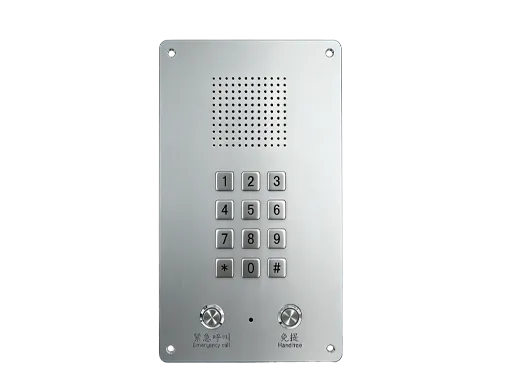
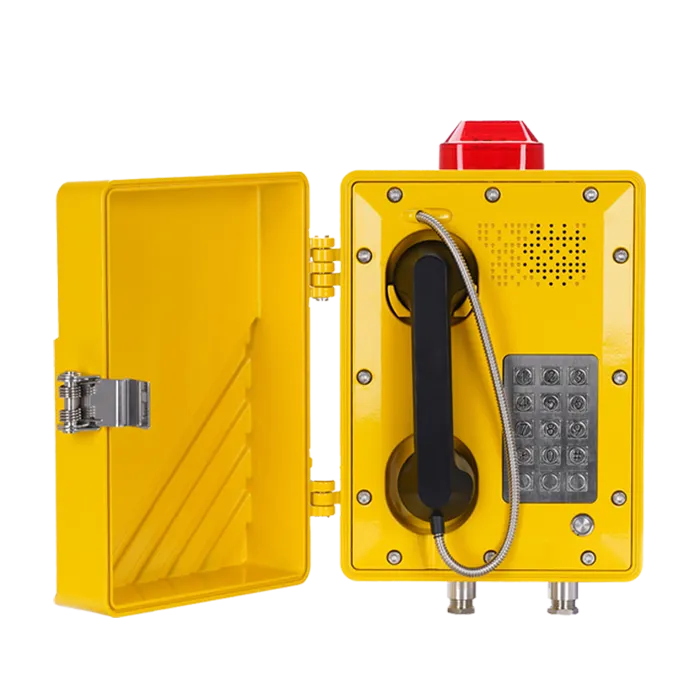
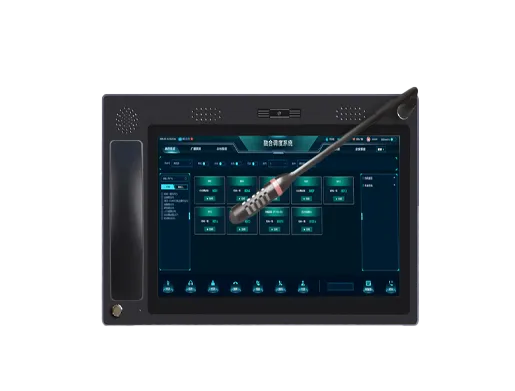
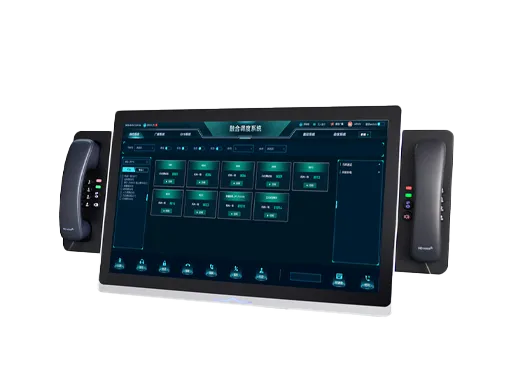
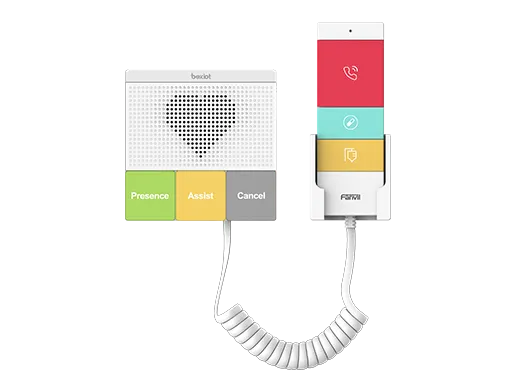
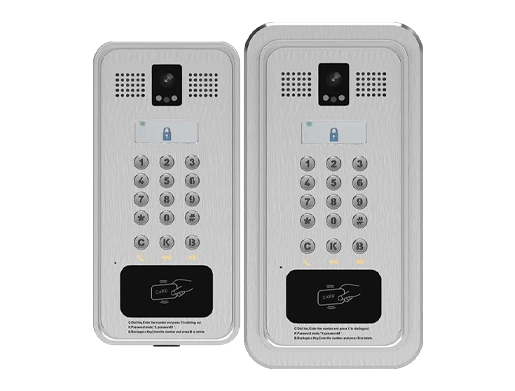
In factories, logistics sites, ports, plants, tunnels, and utility facilities, an IP PBX may connect industrial telephones, SIP speakers, intercoms, help points, paging devices, and dispatch workstations. Here the PBX is not only a business phone system but part of the wider operational communications platform.
Hotels, schools, and campuses often need large extension plans, room or building-based numbering, broadcast or emergency communication integration, and centralized control over many endpoints. IP PBX architecture fits these needs well because it can combine standard calling with specialized workflows.
Organizations with inbound service teams rely on queue logic, reporting, recording, and operator features. While large contact centers may use dedicated platforms, many businesses still build the first layer of customer call handling on top of an IP PBX foundation.
Choosing an IP PBX is not just a feature comparison exercise. The better question is how the system will behave under real operating conditions. Several design points deserve attention:
These questions matter because the success of an IP PBX is rarely decided by the sales brochure alone. It is decided by how well the platform fits the organization’s topology, users, operational habits, and business continuity requirements.
The strongest IP PBX project is usually the one designed around call flow, survivability, and interoperability, not the one with the longest feature list.
No. VoIP is the method of carrying voice over IP networks. An IP PBX is the business phone system that uses IP-based communication methods such as VoIP and commonly SIP to manage users, extensions, trunks, and call features.
No. SIP is a signaling protocol widely used in modern voice systems. An IP PBX is the platform or system that uses SIP and related technologies to control calls and services.
Yes. It can connect through SIP trunks, analog or digital gateways, or interconnect devices that bridge legacy telecom services into the IP environment.
Not every small deployment uses an SBC, but in many enterprise, carrier-facing, remote-access, or security-sensitive environments, SBCs are strongly recommended or required for secure and interoperable edge connectivity.
Yes. This is one of its major advantages. Remote desk phones, softphones, and mobile clients can often register across the internet or VPN when the deployment is designed with proper security and NAT handling.
Absolutely. IP PBX systems are widely used in hospitals, hotels, campuses, warehouses, factories, ports, tunnels, utility sites, and industrial communication projects where voice services must integrate with specialized endpoints and operational workflows.
An IP PBX is best understood as the control center of a modern enterprise voice environment. It manages extensions, routes calls, connects users and trunks, and links telephony with wider IP infrastructure. Its value does not come only from replacing old PBX hardware. It comes from making business and operational communications more flexible, more software-driven, and easier to integrate across multiple devices, sites, and services.
When planned properly, an IP PBX can serve as a stable foundation for office calling, remote work, SIP trunking, contact workflows, industrial telephony, paging, intercom, and unified communication integration. The exact architecture may differ from one project to another, but the principle remains the same: move call control onto a reliable IP platform and design it to match the organization’s real communication needs.
底部简介