 百科全书
百科全书

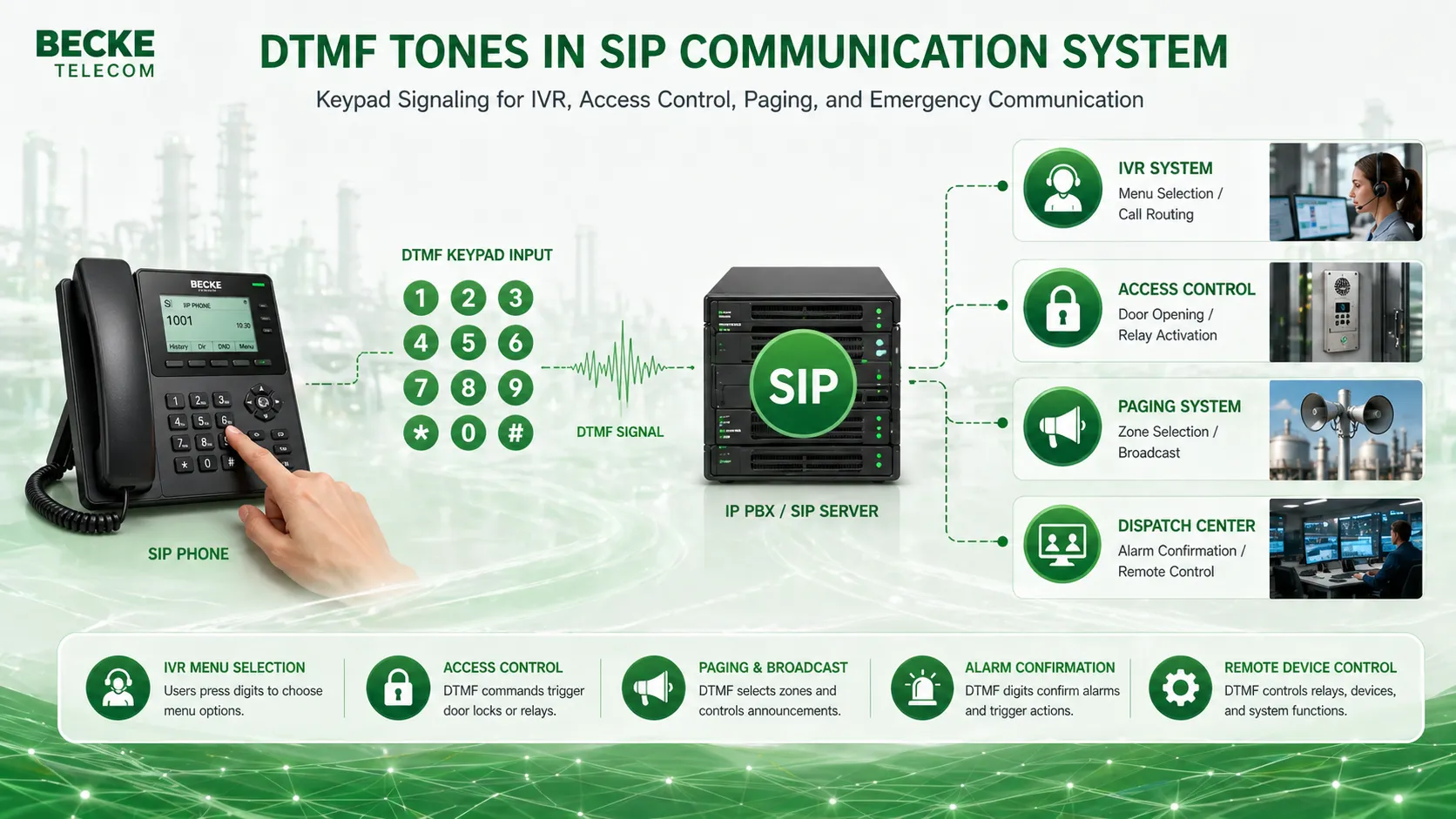
DTMF tones, short for Dual-Tone Multi-Frequency tones, are the keypad signals generated when a user presses numbers or symbols on a telephone keypad. In SIP communication, DTMF tones are used to transmit user input such as digits, menu selections, access codes, extension numbers, and control commands during a VoIP call.
Although SIP is mainly responsible for call setup, routing, session control, and signaling, many real communication scenarios still require keypad interaction after the call is connected. For example, a user may press “1” to confirm an alarm, enter a door access code, select an IVR menu option, or trigger a remote paging function. DTMF makes these interactions possible.

In traditional telephone networks, DTMF was transmitted as audible tones through the voice channel. Each key on the keypad produces a combination of two specific frequencies. This is why it is called dual-tone multi-frequency signaling. In SIP-based VoIP systems, DTMF can be transmitted in several ways depending on the device, network, codec, and system configuration.
In-band DTMF sends keypad tones directly through the audio stream. The tones are treated like normal voice audio. This method is simple, but it may be affected by voice compression, packet loss, noise suppression, echo cancellation, or low-bitrate codecs. For this reason, in-band DTMF is usually less reliable in professional SIP deployments.
RFC 2833, later updated by RFC 4733, is one of the most widely used methods for transmitting DTMF in SIP communication. Instead of sending tones as voice audio, the DTMF event is carried as a separate RTP event. This improves reliability because the receiving SIP server, IVR system, gateway, or dispatch platform can detect the digit more accurately.
For many IP PBX systems, SIP gateways, industrial telephones, SIP intercoms, and dispatch platforms, RFC 2833 / RFC 4733 is the recommended DTMF mode because it works well with compressed codecs and network-based VoIP communication.
SIP INFO sends DTMF digits through SIP signaling messages instead of the RTP media stream. This method is often used in systems where call control platforms, gateways, or application servers need to receive keypad commands directly through SIP signaling. SIP INFO can be useful in certain controlled environments, but compatibility depends on the SIP platform and endpoint configuration.
One of the most common uses of DTMF is IVR menu operation. When callers hear prompts such as “press 1 for service” or “press 2 for emergency assistance,” their keypad input is transmitted through DTMF. The SIP system then routes the call to the correct department, extension, operator, or workflow.
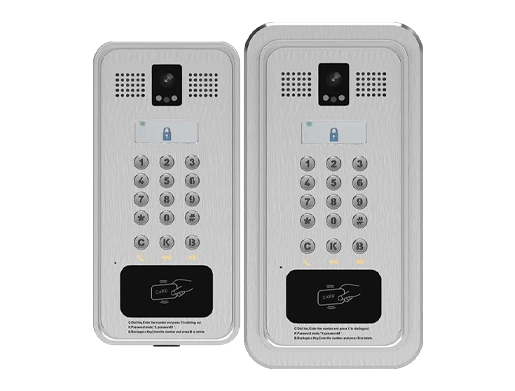
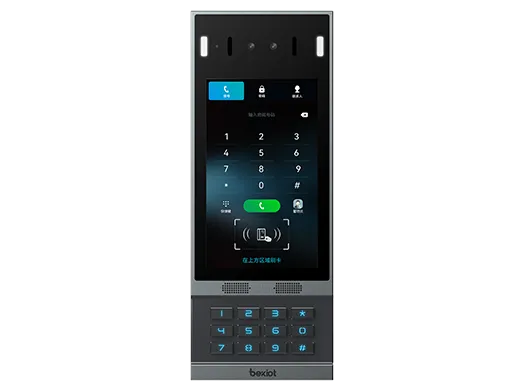
In SIP door intercom and access control systems, DTMF can be used to unlock doors remotely. For example, after a visitor calls the control room, the operator can press a predefined keypad digit to activate a relay output and open the door. This function is widely used in office buildings, factories, campuses, substations, tunnels, and secured facilities.
DTMF tones can also be used as simple remote control commands. In industrial communication systems, keypad input may be configured to trigger relays, confirm alarm events, start paging, switch audio channels, activate emergency call handling, or control connected devices.
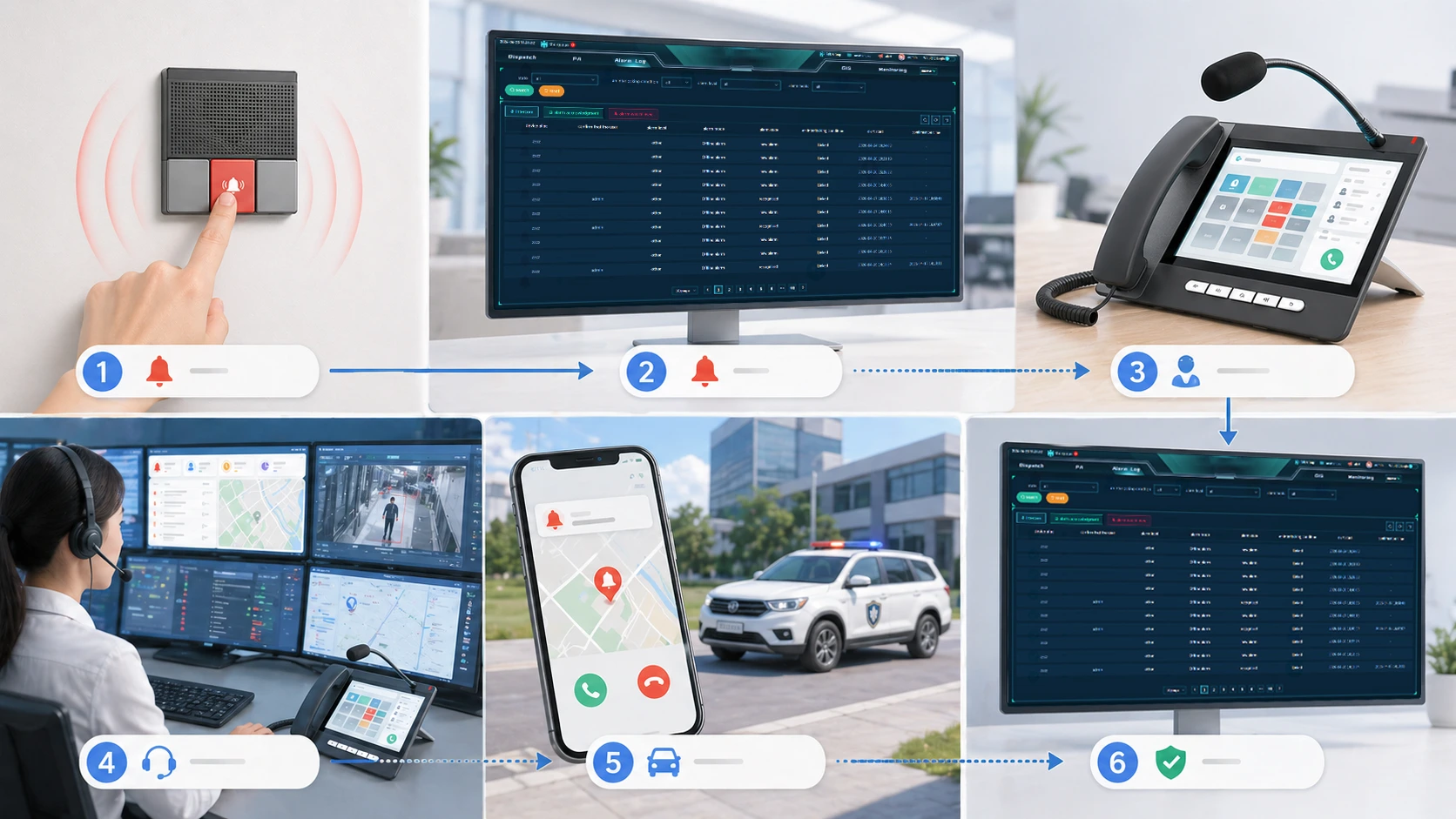
In emergency communication and dispatch systems, DTMF can support alarm confirmation workflows. When an alarm call is received, the operator may press a key to acknowledge the alarm, confirm the response, or trigger the next action. This makes DTMF useful for traceable and controlled emergency operation.
Some SIP paging systems use DTMF to select zones, start announcements, stop broadcasts, or trigger pre-recorded messages. This is especially useful in industrial sites where operators need fast voice control without using a complex software interface.
DTMF is not only a keypad tone technology. In SIP communication systems, it becomes a practical control method for IVR, access, alarm handling, dispatch, paging, and remote operation.
Industrial communication systems often need more than basic voice calling. They must support emergency response, equipment control, alarm linkage, dispatch coordination, and multi-site operation. DTMF provides a simple and widely supported way to send commands through a telephone keypad.
For operators working in control rooms, tunnels, factories, substations, petrochemical plants, transportation facilities, and public infrastructure sites, DTMF can reduce operation complexity. Instead of relying only on software buttons, operators can use familiar keypad commands to interact with systems quickly.
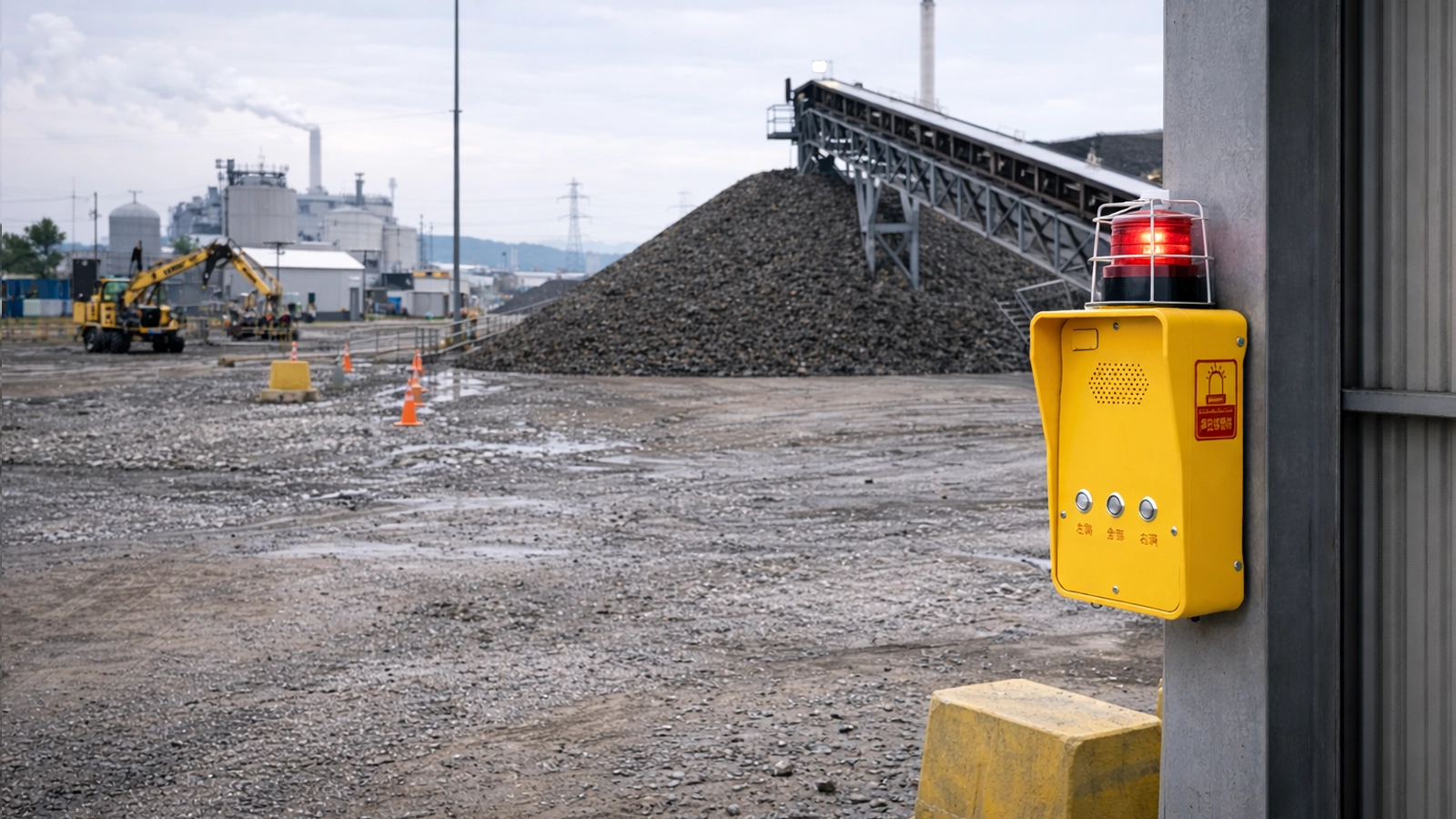
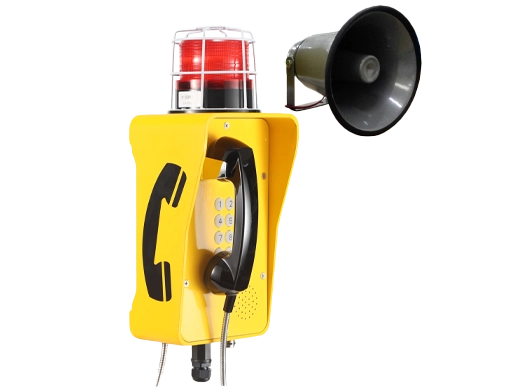
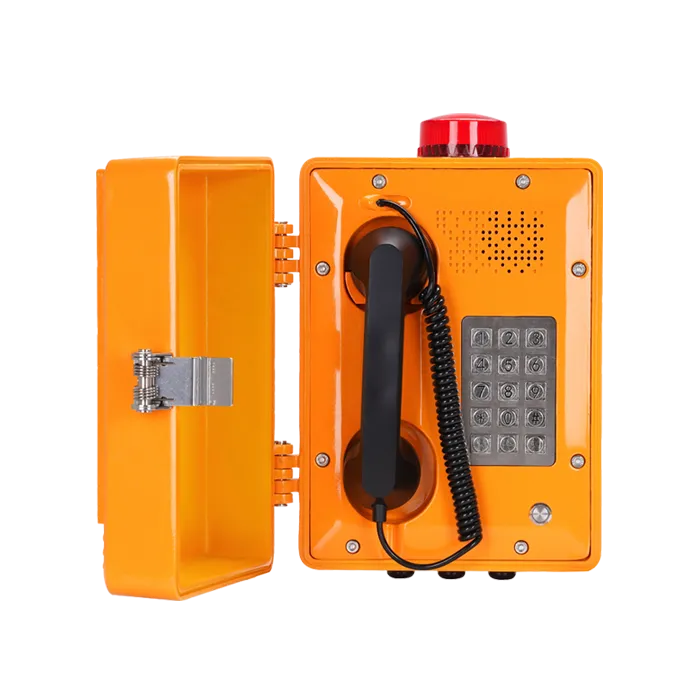
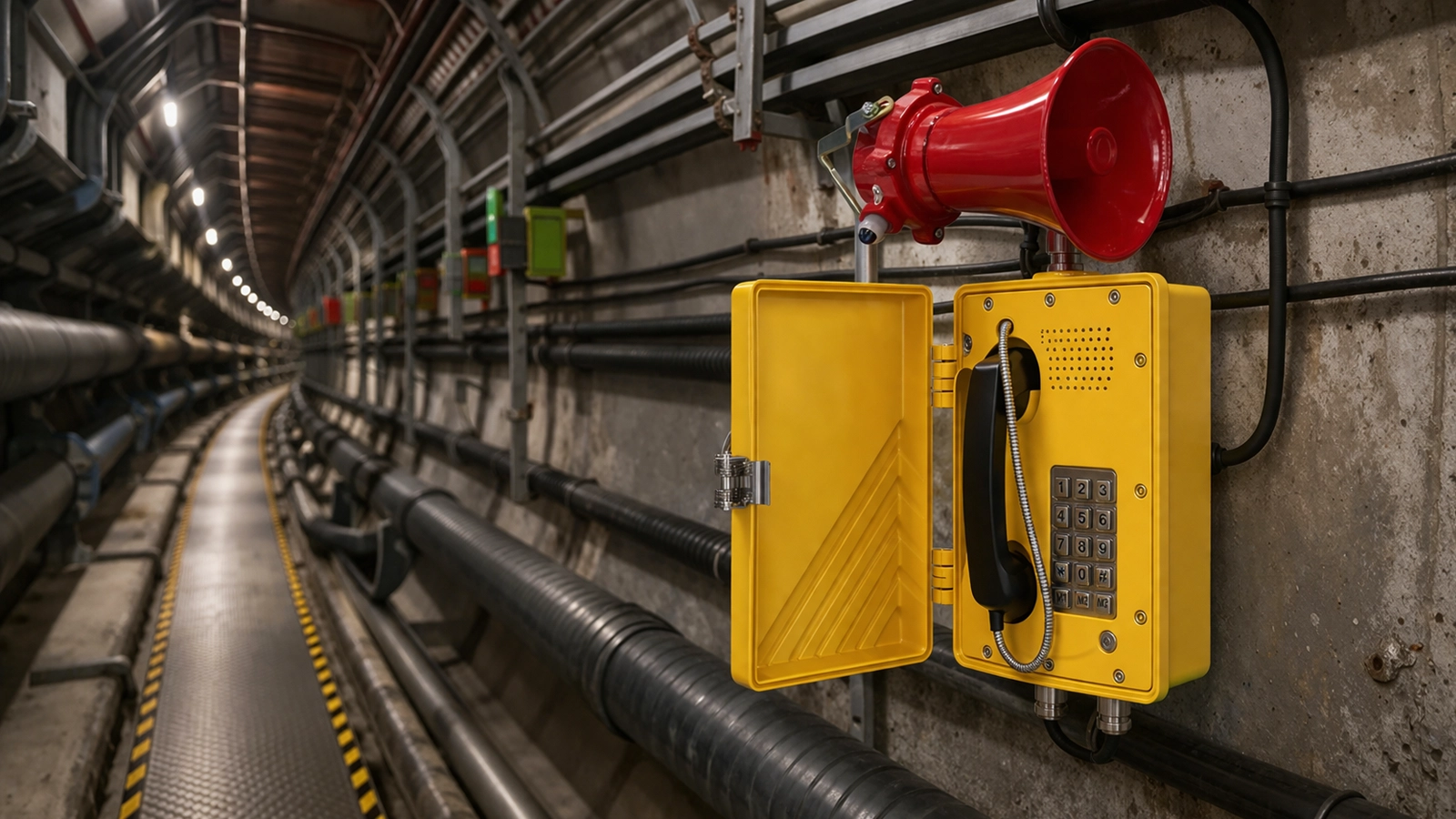
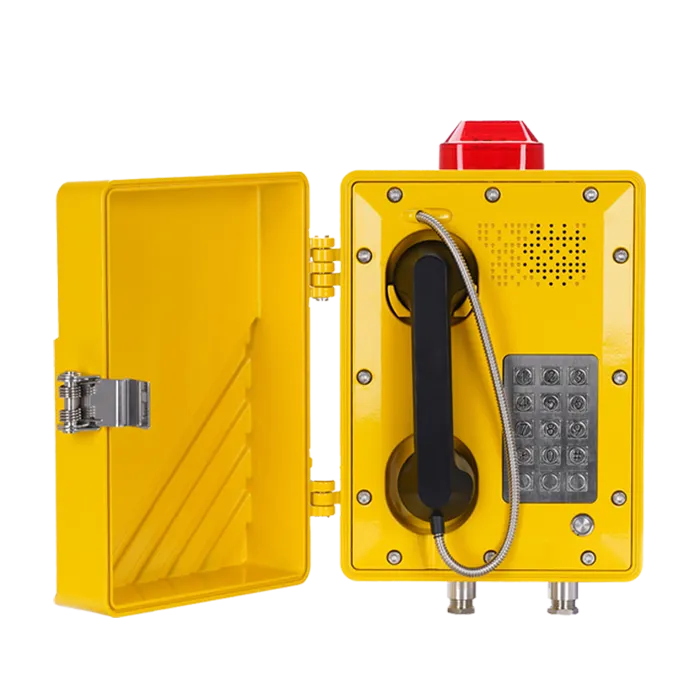
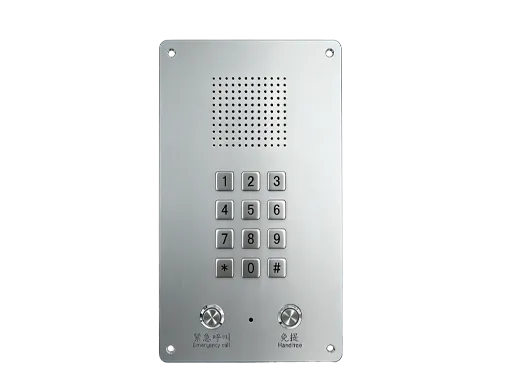
Industrial SIP telephones often support DTMF for extension dialing, hotline control, remote relay activation, IVR access, and emergency command operation. In harsh environments, such as tunnels, mines, ports, power plants, and petrochemical facilities, reliable keypad signaling helps operators complete actions even when network conditions or working environments are complex.
In SIP intercom systems, DTMF is commonly used for door release, gate control, call transfer, remote activation, and security workflows. A control room operator can speak with a field user and then press a keypad command to open a door, activate a relay, or trigger a connected device.
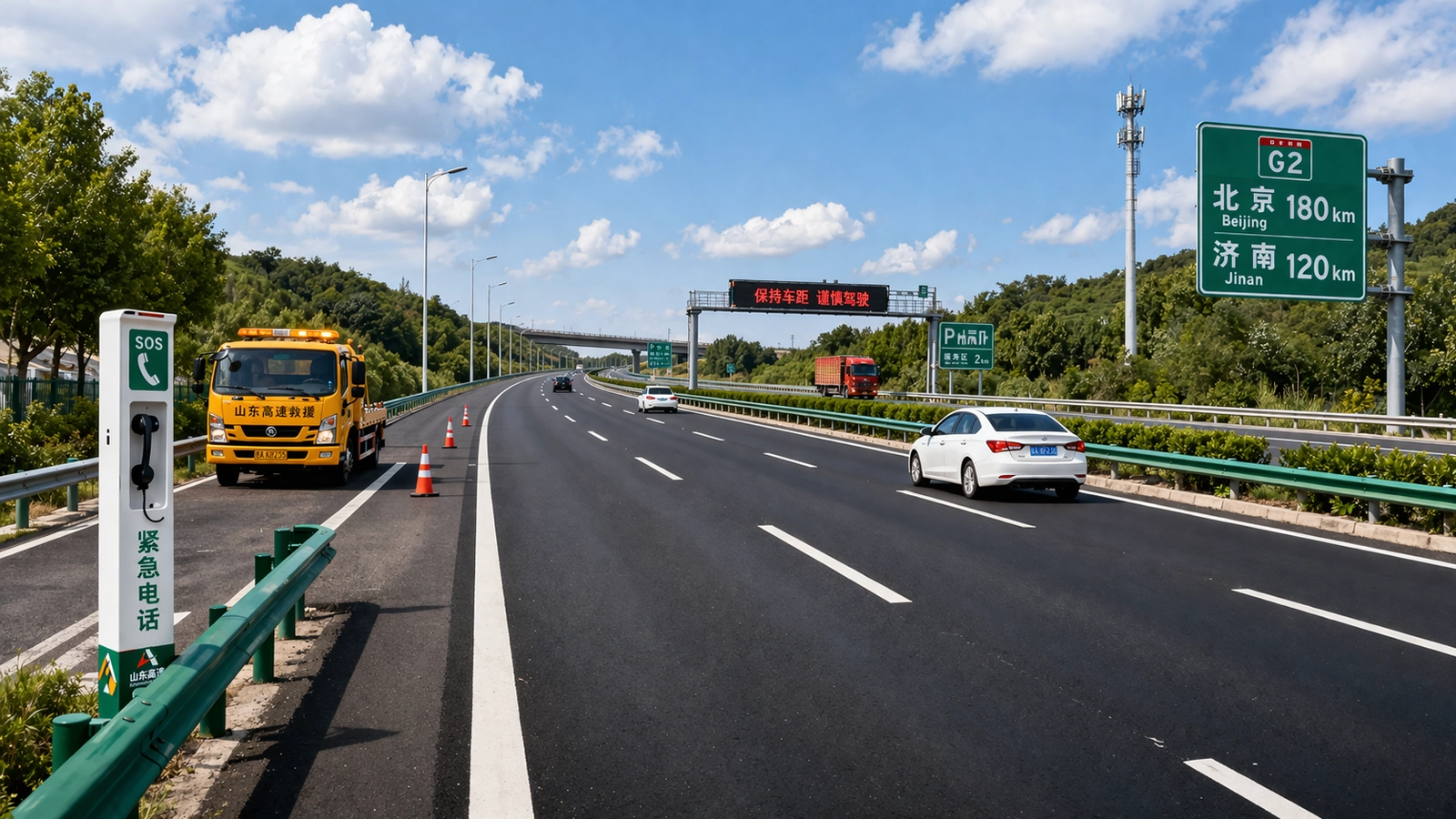
Emergency call stations may use DTMF to confirm alarm events, route calls to different dispatch groups, or trigger additional response steps. This is useful in public safety, road tunnels, railway stations, campuses, airports, industrial parks, and municipal emergency systems.
DTMF can be integrated with SIP paging and public address systems to support zone selection, broadcast activation, and message playback. For example, an operator may call a paging number, enter a zone code, and then make a live announcement to a specific area.
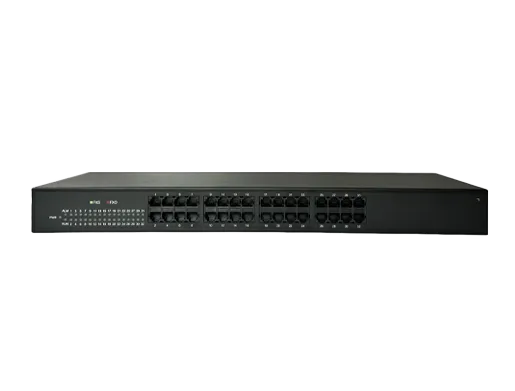
DTMF is also important when connecting SIP systems with analog phones, PSTN lines, GSM gateways, radio gateways, or legacy PBX systems. Correct DTMF transmission ensures that keypad commands remain usable across different networks and devices.

In-band DTMF may be suitable for simple systems where voice quality is stable and codecs do not distort the tone. However, it is not the best choice for many VoIP and industrial SIP environments because audio processing may affect tone recognition.
RFC 2833 / RFC 4733 is widely used in SIP deployments because it separates DTMF events from normal voice audio. It is often preferred for IP PBX systems, SIP trunks, SIP gateways, IVR platforms, and industrial communication endpoints.
SIP INFO can be useful when the SIP application server needs to receive DTMF digits through signaling messages. However, all devices and platforms in the call path must support the same method to avoid compatibility issues.
When deploying SIP communication systems, all endpoints, gateways, IP PBX platforms, and SIP trunks should use compatible DTMF settings. If one device uses SIP INFO while another expects RFC 2833, keypad commands may fail or be recognized incorrectly.
Low-bitrate voice codecs may affect in-band DTMF recognition. For reliable operation, especially in IVR, door access, dispatch, and emergency systems, RFC 2833 / RFC 4733 is often a better choice than in-band transmission.
DTMF should be tested across the complete communication path, including SIP phones, gateways, IP PBX, SIP trunks, IVR systems, relay controllers, dispatch platforms, and paging servers. Testing should include normal calls, emergency calls, transferred calls, and calls routed across different sites.
Industrial systems should use simple and well-documented DTMF commands. For example, one digit may be used for alarm acknowledgment, another for door opening, and another for paging activation. Clear command planning reduces operator mistakes.
In industrial SIP systems, DTMF reliability is not a small detail. It can directly affect door release, alarm confirmation, IVR routing, paging control, and emergency response workflows.
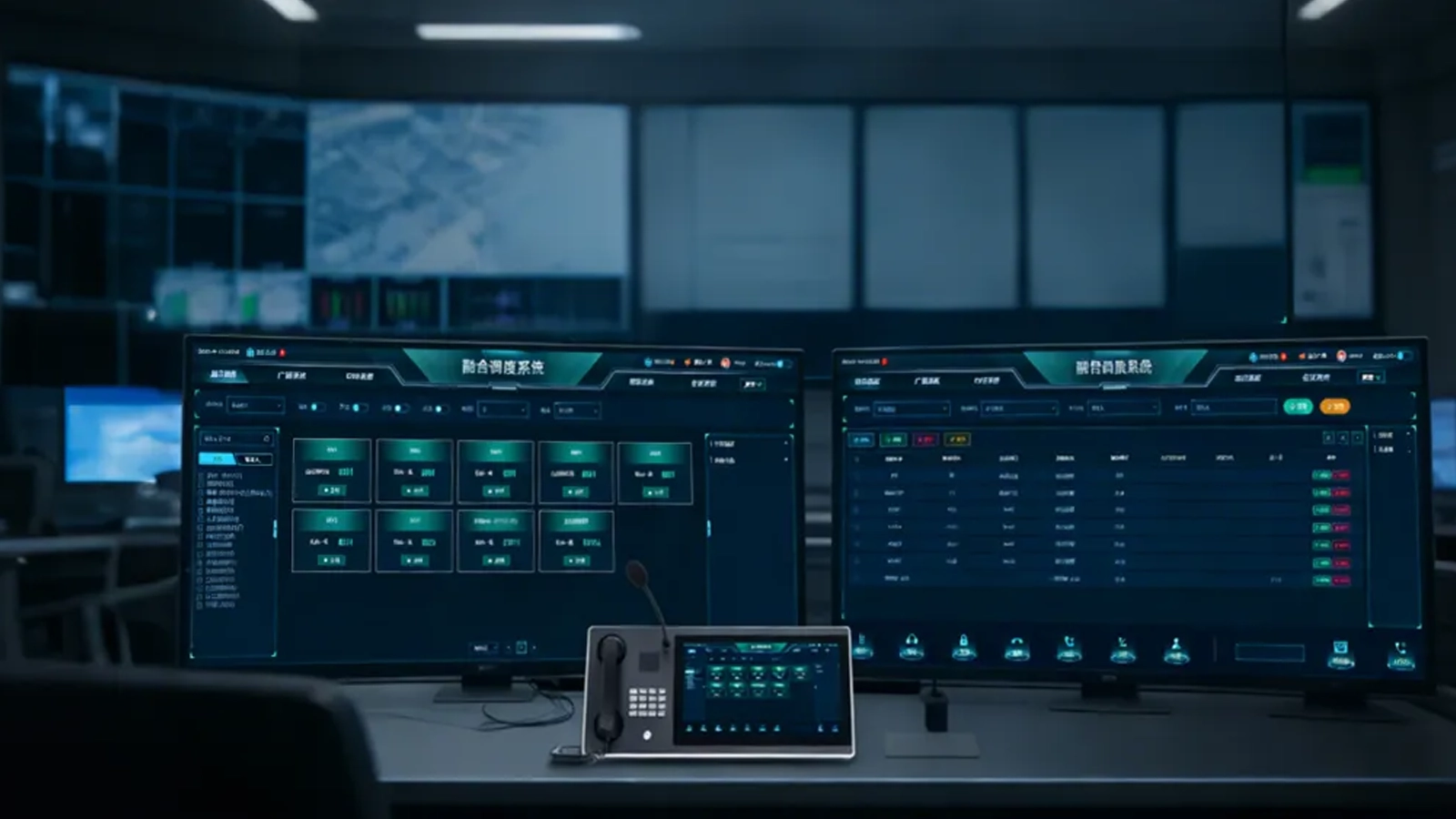
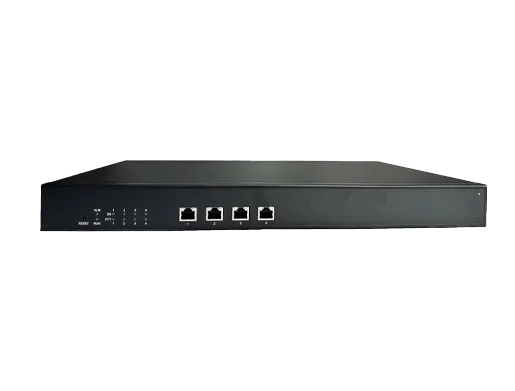
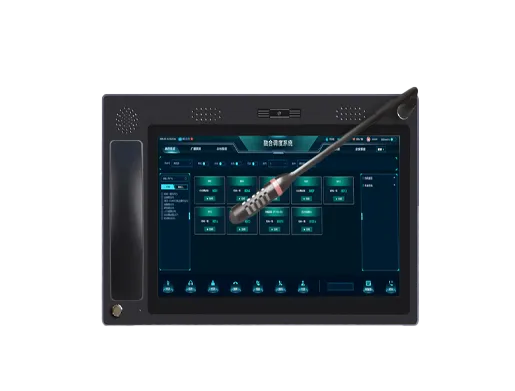
Becke Telcom industrial communication solutions can integrate SIP telephones, industrial intercoms, emergency phones, IP PBX platforms, SIP paging devices, gateways, and dispatch systems into a unified communication environment. In these deployments, DTMF can be used as a practical keypad signaling method for call control, remote relay activation, paging operation, IVR interaction, and alarm response.
For factories, tunnels, utility corridors, substations, petrochemical plants, transportation hubs, campuses, and public facilities, Becke Telcom helps build SIP-based communication systems that support reliable voice communication and flexible system linkage. DTMF support can improve compatibility between field terminals, control room platforms, SIP gateways, and emergency workflows.

DTMF tones remain an important part of SIP communication because they allow users and operators to send keypad commands during a call. From IVR menu selection and door opening to alarm confirmation and paging control, DTMF provides a simple but powerful control method for modern VoIP systems.
In industrial communication environments, DTMF is especially valuable because it connects voice communication with real operational actions. When properly configured and tested, DTMF helps SIP phones, intercoms, gateways, dispatch platforms, and emergency systems work together more reliably.
DTMF means Dual-Tone Multi-Frequency. It refers to the keypad tones generated when a user presses numbers or symbols on a telephone keypad.
In SIP communication, DTMF is used for IVR menu selection, extension dialing, access control, door opening, alarm confirmation, paging control, and remote device operation.
RFC 2833 / RFC 4733 is commonly recommended for SIP systems because it transmits DTMF as RTP events instead of normal voice audio, improving reliability in VoIP networks.
DTMF may fail because of incompatible settings, codec compression, SIP trunk configuration, gateway issues, packet loss, or mismatched DTMF transmission methods between devices.
Yes. DTMF can be used in industrial emergency systems for alarm acknowledgment, remote control, paging activation, door release, call routing, and dispatch workflow support.
Becke Telcom专门为地铁、铁路、隧道、石化、核能、海上和造船部门提供工业和防爆通信解决方案。其产品组合包括PAGA调度系统、公共帮助点和SOS解决方案,以及具有集成公共地址、对讲机和语音通信功能的工业IP和SOS电话。