
行业洞察
PAGA and PAVA are often mentioned in the same conversation, but they are not the same type of safety communication system. Both use loudspeakers, amplifiers, paging interfaces, and control logic to deliver audible instructions. Both can also be integrated with emergency workflows. The difference is that they are usually designed around different risk models, different operating environments, and different response priorities.
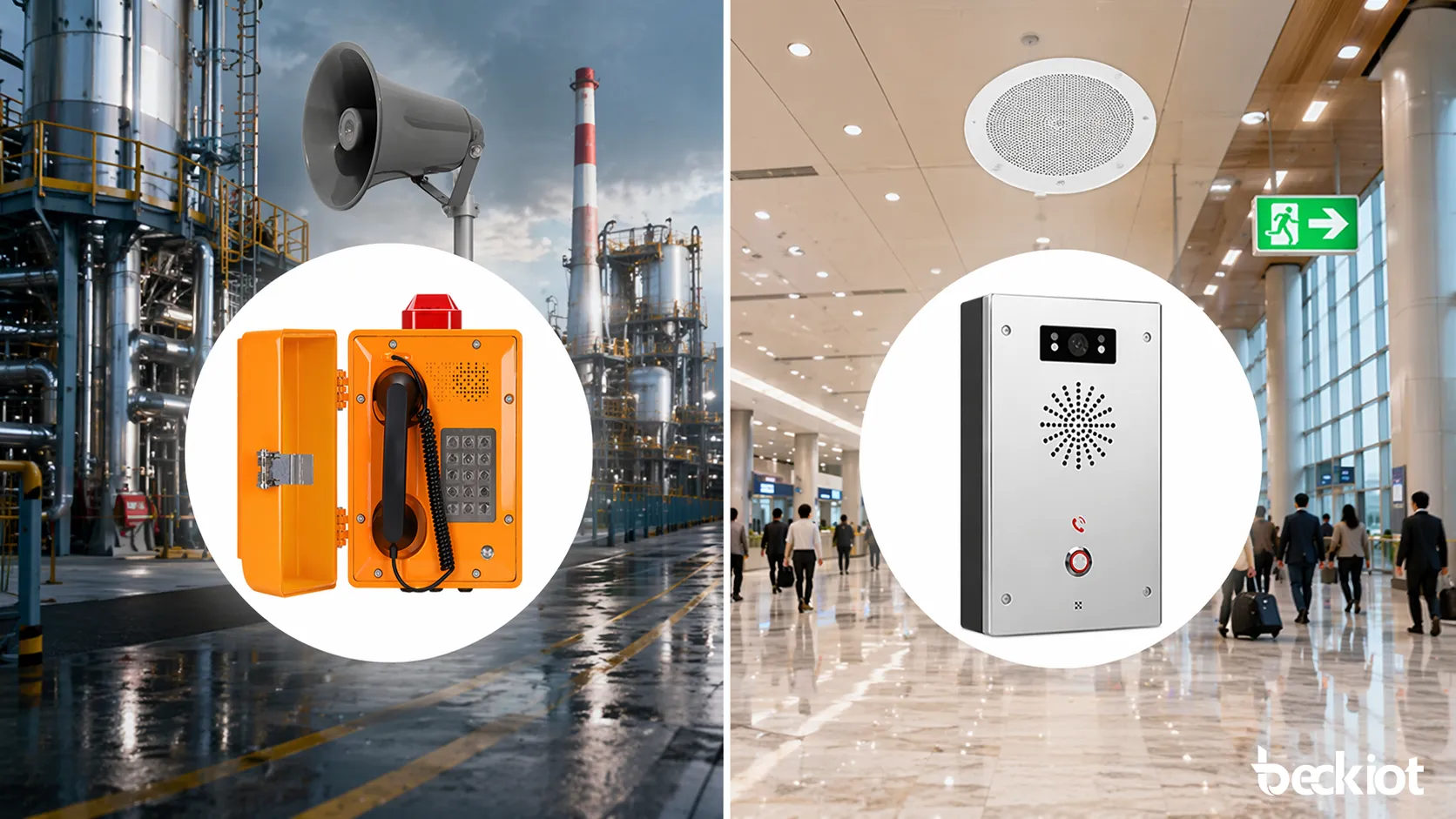
In simple terms, a PAGA system is commonly associated with industrial sites that need public address, general alarm, live paging, and operational communication in one platform. A PAVA system is more commonly associated with buildings and public spaces that require clear voice messages for safe and controlled occupant movement during emergencies. Understanding this distinction helps consultants, integrators, and end users choose a system that matches the actual site profile rather than selecting technology by name alone.

A PAGA system combines site-wide announcements with general alarm broadcasting. In industrial practice, it is often used to distribute routine announcements, operational paging, emergency notifications, and alarm tones across harsh or high-risk environments. Typical deployment areas include offshore platforms, oil and gas facilities, marine vessels, power plants, process industries, tunnels, wind farms, and utility infrastructure.
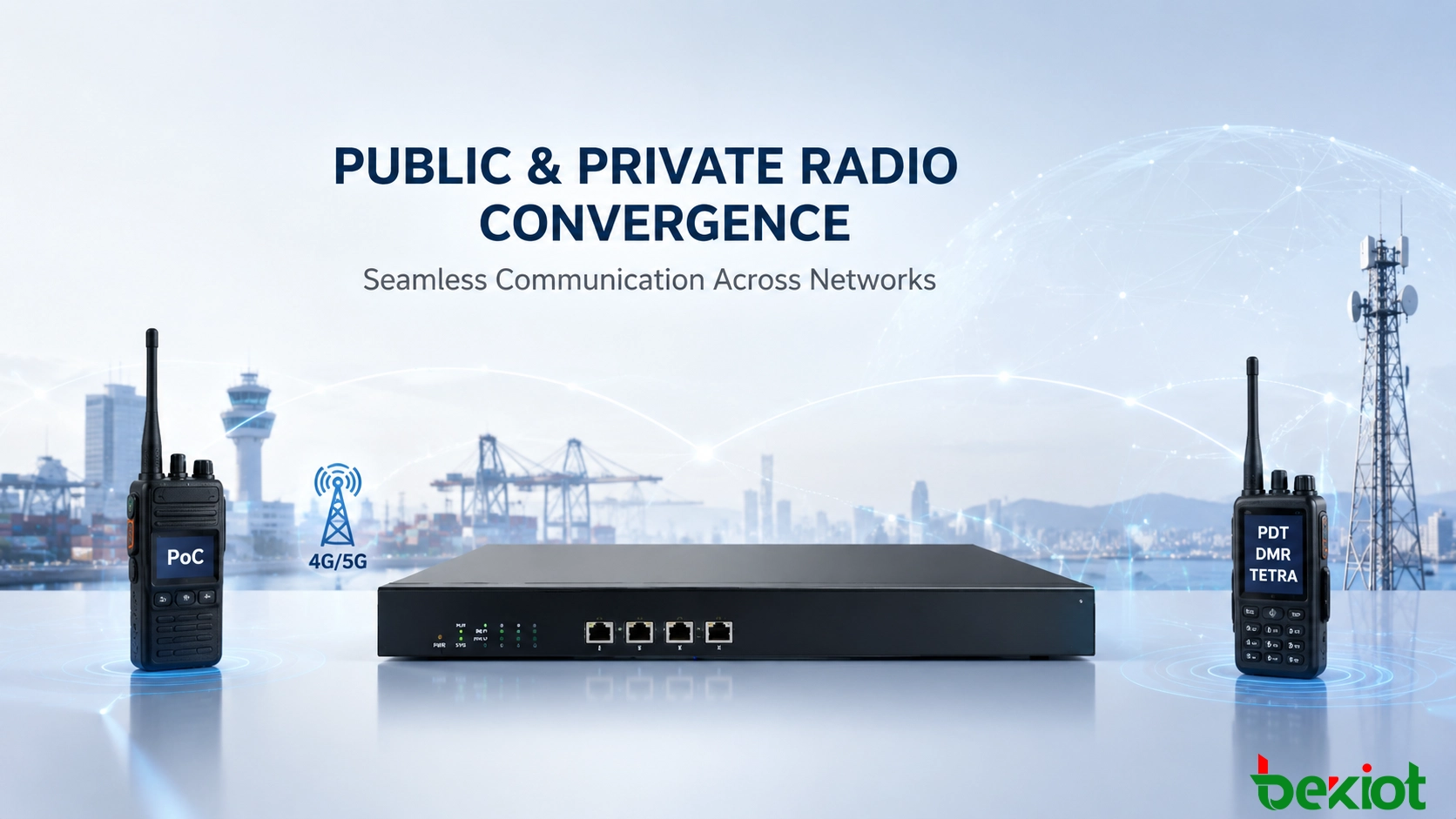
The strength of PAGA is not only that it can broadcast sound over a wide area, but that it can become part of a larger operational communication architecture. In many industrial projects, PAGA is expected to work alongside intercom, industrial telephony, radio interoperability, CCTV, alarm inputs, and centralized dispatch. This makes it especially valuable in environments where coordination speed matters as much as audibility.
Industrial sites are rarely quiet, compact, or simple. They may include noisy production zones, hazardous areas, remote yards, pipe racks, loading areas, substations, offshore decks, tunnel sections, or multiple distributed buildings. Because of this, a PAGA design often focuses on high intelligibility under difficult acoustic conditions, zone control, alarm priority, equipment ruggedness, and resilient system behavior.
It is also common for industrial operators to want one platform that supports daily operations and emergency response together. That is why PAGA projects often go beyond loudspeaker coverage and include live paging stations, field intercom points, SIP integration, remote maintenance, event logging, call transfer logic, radio linkage, and alarm-driven broadcast workflows.
PAGA is usually selected when the site needs one communication layer for daily announcements, operational coordination, and general emergency alerting across an industrial environment.
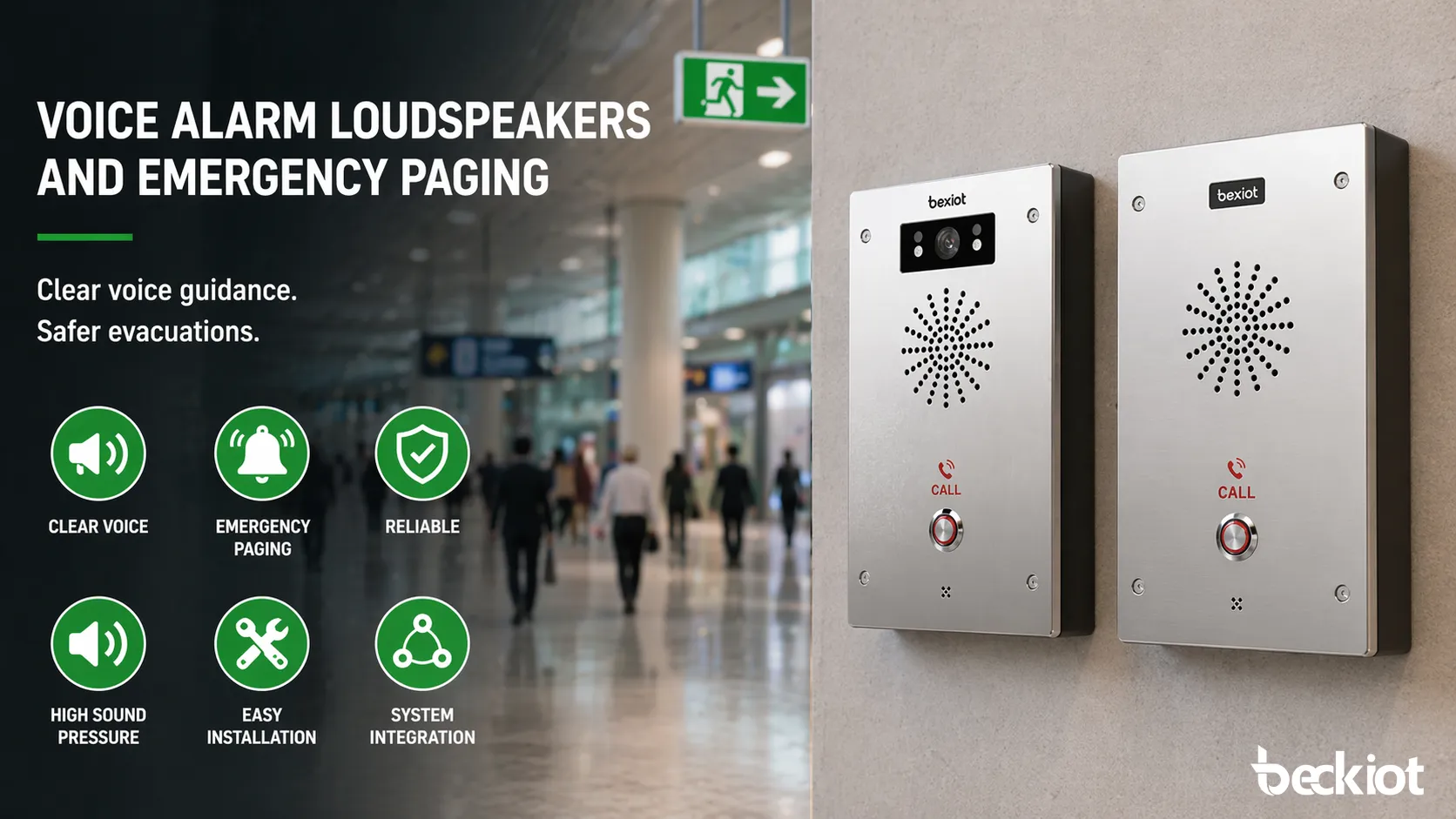
A PAVA system combines public address functions with voice alarm capability. It is commonly specified for airports, stations, schools, office buildings, shopping centers, hotels, hospitals, campuses, and other public or commercial buildings where people need to receive clear spoken instructions during an incident. In these projects, intelligible voice messaging is often more effective than simple sirens because occupants can be directed to move in a specific, orderly way.
Unlike a standard paging-only installation, a PAVA system is typically designed with life-safety logic in mind. It may support automatic message playback, emergency microphone operation, supervised speaker lines, fault monitoring, backup power strategies, and phased or zoned voice instructions. In many projects, the system is closely related to building fire and emergency management workflows.
Public buildings present a different challenge from industrial facilities. The issue is not just how loud the message is, but whether visitors, staff, passengers, students, or shoppers can understand what to do next. In a busy building, intelligibility, zoning, message sequencing, and orderly movement are often more important than raw acoustic power.
This is why PAVA is frequently discussed together with voice evacuation and building safety standards. Depending on jurisdiction and project type, designers may work within standards and certification frameworks related to voice alarm and emergency sound systems. As a result, the compliance context around PAVA is often more visible in specifications than it is in many general industrial PAGA projects.

The easiest mistake is to think that PAGA and PAVA are just two names for the same architecture. They are related, but in most real projects they are built for different operating priorities. A PAGA project usually starts with industrial coverage, field communication, and general alarm requirements. A PAVA project usually starts with voice guidance, evacuation messaging, and public-space safety requirements.
That does not mean the technologies are completely separate. Both may use IP networking, zone paging, monitored amplifiers, microphones, recorded messages, and integration interfaces. The real distinction is in what the system must accomplish first when an abnormal event occurs.
| Aspect | PAGA | PAVA |
|---|---|---|
| Main meaning | Public Address and General Alarm | Public Address and Voice Alarm |
| Typical environment | Industrial plants, offshore sites, marine, energy, tunnels, utilities | Buildings, campuses, airports, stations, malls, schools, offices |
| Primary priority | Operational paging plus emergency warning across industrial areas | Clear spoken instructions for safe and controlled occupant response |
| Common focus | Wide-area alarm distribution, zone paging, integration with field communications | Voice evacuation, phased messaging, supervised operation, life-safety logic |
| Acoustic challenge | High noise, long distances, harsh environments | Speech intelligibility in public and indoor spaces |
| Integration emphasis | Intercom, SIP telephony, radio, dispatch, CCTV, alarm systems | Fire alarm, emergency controls, building management, evacuation workflow |
| Operator model | Control room, operations room, dispatch, industrial security | Building control room, fire command, security desk, facility management |
In practice, the naming can vary by market and by consultant preference. Some projects blur the line, especially large transport, port, energy, or campus deployments. Still, the table above reflects the most common design logic used in real-world specifications.
PAGA is a natural fit for oil and gas facilities, petrochemical plants, refineries, offshore platforms, marine vessels, mining areas, wind farms, utility tunnels, and heavy industrial sites. These projects often need loud and reliable announcements across wide or segmented areas, with the ability to escalate from routine paging to general alarm within seconds.
In these environments, it is also common to require integration with industrial telephones, SIP intercoms, radio gateways, CCTV, alarm triggers, and dispatch consoles. A well-designed PAGA platform supports daily maintenance coordination, operator announcements, emergency muster messaging, area-based alarms, and event logging from one operational framework.
PAGA also works well in sites that are geographically spread out, such as pipelines, substations, port facilities, tunnels, highway operations, and renewable energy projects. The requirement here is not just communication, but manageable communication across distance. Zone control, remote diagnostics, network resilience, and centralized supervision become especially important.
For this reason, many modern industrial solutions are moving toward IP-based architectures that can integrate paging, intercom, telephony, and video into one dispatch environment. This approach is also consistent with Becke-style solution design, where SIP-based integration helps connect broadcast, intercom, telephony, video, and unified scheduling or dispatch in one platform.

PAVA is usually the better choice for buildings and public-facing spaces where occupants may not be trained, may not know the site layout, and need direct spoken guidance in an emergency. Airports, railway stations, schools, hospitals, offices, hotels, malls, stadium support buildings, and commercial complexes all fall into this category.
In these applications, the system often needs to support zoned announcements, emergency override, pre-recorded voice instructions, emergency microphones, line supervision, fault reporting, and coordination with fire or building safety infrastructure. The goal is not simply to make noise; the goal is to guide people clearly and reduce confusion.
PAVA becomes even more valuable where the audience changes throughout the day. Visitors, students, patients, shoppers, contractors, and office workers may all respond differently under stress. Spoken messages can reduce panic, support phased evacuation strategies, and direct different zones to different actions.
This is why PAVA is often chosen when message clarity, controlled response, and compliance documentation are central to the project brief. In these cases, the system is typically evaluated not only by its audio performance, but by how well it aligns with the site’s safety procedures, certification requirements, and testing regime.
PAVA is usually the better answer when the project priority is intelligible voice guidance for public occupants rather than operational alarm distribution for industrial personnel.
One reason the PAGA versus PAVA discussion matters is that the standards context is not identical. PAVA projects in Europe and many international building tenders are often associated with EN 54-16 certified voice alarm equipment, and voice alarm design may also be discussed in relation to standards such as BS 5839-8. For emergency sound systems beyond fire evacuation, BS EN 50849 may also be relevant depending on the project scope and jurisdiction.
This does not mean every PAVA project follows the same rulebook everywhere, and it does not mean PAGA projects lack engineering discipline. It simply means that building-oriented voice alarm systems are more frequently specified within a formal life-safety compliance language. Designers should always check the local code environment, insurer requirements, consultant specifications, and authority having jurisdiction.
PAGA projects tend to be more influenced by the operating environment, the hazard profile of the site, industry rules, equipment approvals, redundancy expectations, and integration with broader emergency response systems. Marine, offshore, energy, and industrial operators may emphasize reliability, environmental hardening, alarm distribution performance, and compatibility with other critical communications infrastructure.
The key takeaway is simple: do not assume that a building voice alarm spec can be copied into an industrial PAGA project, and do not assume an industrial alarm paging design will automatically satisfy a public-building voice alarm requirement. The name on the equipment is not enough; the compliance logic must match the site.
Some large sites include both industrial zones and public-facing areas. Examples include airports, ports, energy campuses, transport hubs, large manufacturing parks, petrochemical complexes with administration buildings, and utility facilities with visitor or office areas. In these cases, the communication strategy may need to combine industrial paging and alarm logic in one area with voice evacuation logic in another.
For example, an operations yard or process block may require a PAGA-style approach focused on rugged broadcasting, alarm priorities, and field communication integration. At the same site, an office block, visitor center, terminal building, or staff accommodation area may require a PAVA-style approach focused on intelligible evacuation messaging and building safety compliance.
In mixed environments, the better question is not “Which term sounds better?” but “Which function is needed in each zone?” Once that is clear, the design can determine whether one integrated platform can support both needs, or whether separate subsystems with controlled interfaces are the safer choice.
This is where modern IP and SIP-based architectures can add value. They make it easier to unify paging, intercom, telephony, video linkage, and dispatch management while still preserving different workflows for different areas of the site.
The best system choice begins with the environment itself. If the project is mainly an industrial operation with process risk, noisy outdoor areas, control-room coordination, field telephony, and alarm coverage across distributed work zones, PAGA is usually the stronger fit. If the project is mainly a public or commercial building where occupants need intelligible spoken instructions and controlled movement during emergencies, PAVA is usually the stronger fit.
It is also important to ask who will hear the message. Trained industrial workers, security staff, operators, and maintenance teams respond differently from passengers, shoppers, students, patients, or visitors. The communication strategy should reflect that difference.
After the environment is understood, the next step is to define the required integrations. Does the system need to work with fire alarm, CCTV, intercom, SIP telephony, radio, access control, SCADA, or centralized dispatch? Does it need remote management, event logs, distributed networking, amplifier redundancy, or line supervision? These questions usually shape the design more than the product brochure headline does.
Finally, evaluate the compliance path and long-term maintenance model. A system that sounds right on paper can still be the wrong choice if it does not align with local codes, inspection requirements, operational workflows, or site expansion plans.
PAGA and PAVA are closely related, but they are not interchangeable terms. PAGA is typically the right language for industrial and operational environments that need site-wide public address, general alarm, and integrated field communication. PAVA is typically the right language for buildings and public spaces that need intelligible voice alarm, controlled messaging, and structured occupant response.
The most successful projects do not start by asking which acronym is more popular. They start by identifying the site type, the people at risk, the emergency workflow, the required integrations, and the applicable standards context. When that foundation is clear, choosing between PAGA, PAVA, or a combined architecture becomes much easier.
Becke Telcom provides integrated communication solutions for industrial facilities, public safety environments, and complex multi-zone projects. If you are planning a PAGA or PAVA deployment, our team can help you design the right architecture for paging, alarm, intercom, telephony, video linkage, and centralized response management.
No. They are related but not identical. PAGA usually refers to Public Address and General Alarm for industrial or operational environments, while PAVA usually refers to Public Address and Voice Alarm for buildings and public spaces where spoken evacuation guidance is important.
In most cases, PAGA is the more typical fit because these environments usually need wide-area announcements, general alarm coverage, harsh-environment reliability, and integration with operational communications.
PAVA is often the better fit because these sites usually need intelligible voice instructions, zoned messaging, and controlled public response during emergencies.
Yes. Many PAVA systems support routine public address functions in daily operation and switch into emergency voice alarm mode when needed.
Yes. Many modern platforms support integrated architectures that combine paging, intercom, telephony, video linkage, and alarm workflows, especially in SIP-based communication environments.