
行业洞察
2026-08-07 16:02:15
公路隧道一体化应急通信调度整体解决方案
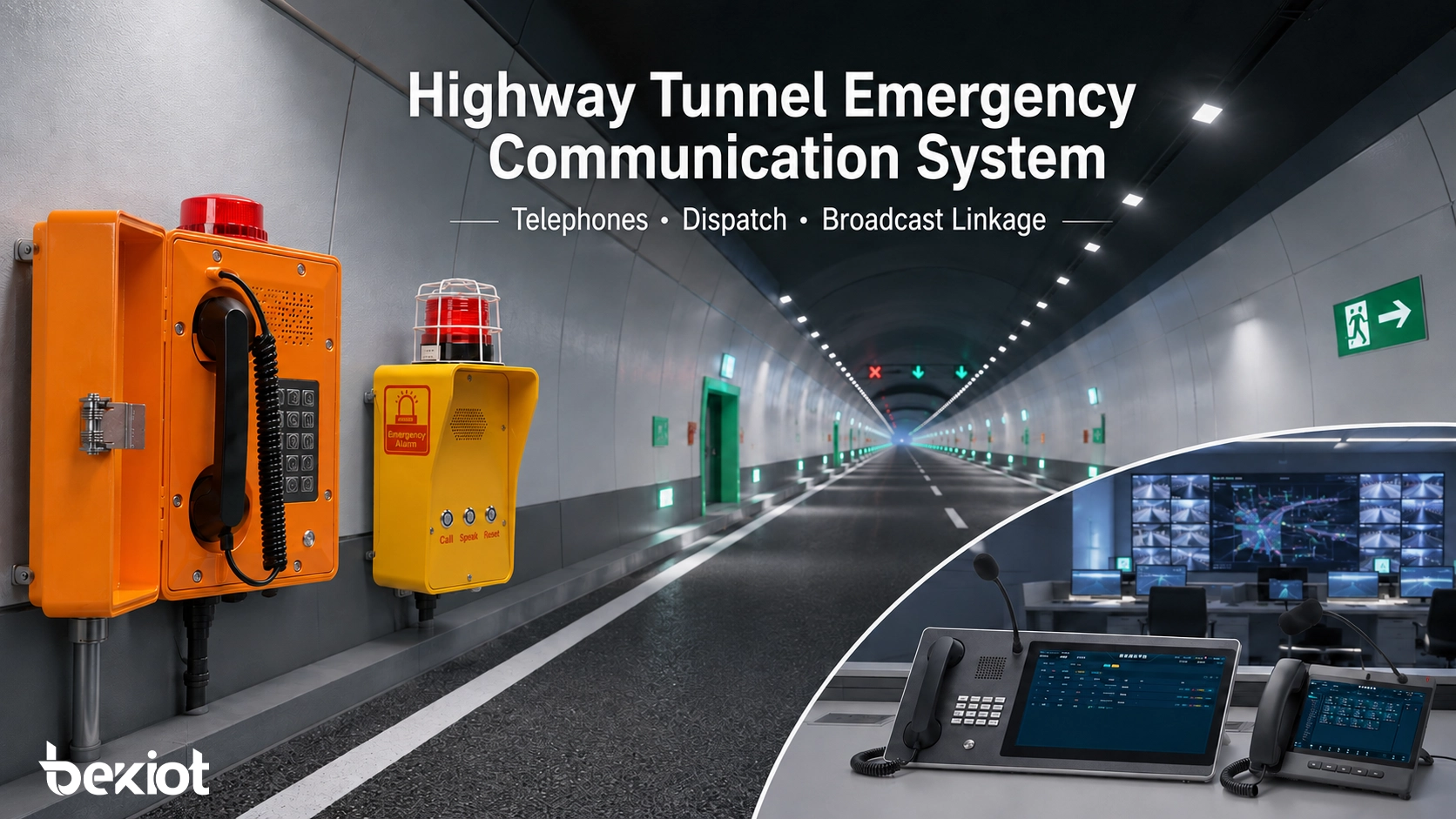
公路隧道应急通信系统将工业电话、防爆电话与SIP调度、广播、视频监控和通话录音进行统一集成,提升突发事件响应速度,为隧道日常运营和应急处置提供稳定可靠的通信保障。

贝克电信

公路隧道一体化应急通信调度整体解决方案

公路隧道具有距离长、空间封闭等特点,内部通常分布着紧急停车带、车行横洞、人行横洞、变电所、通风机房、消防点位和通信设备机房。当发生车辆碰撞、火灾、设备故障或人员求助时,现场人员需要迅速联系隧道监控中心,值班人员也需要及时确认事件位置,并通知巡检、维修、消防和交通管理人员进行处置。

移动电话容易受到网络覆盖、设备电量和现场使用条件影响,因此不适合作为隧道内唯一的应急通信方式。普通办公电话也难以长期适应潮湿、粉尘、车辆振动和持续噪声环境。隧道应急通信系统因此需要部署固定工业电话,并通过SIP调度平台与广播、视频监控和录音系统连接,使每一次现场呼叫都能够直接进入监控中心的事件处置流程。

公路隧道通信面临的难点

隧道通信点位沿道路分散布置,与监控中心之间往往存在较长距离。发生事故后,求助人员可能无法准确说出所在桩号或行车方向。在烟雾、黑暗或人员情绪紧张的情况下,如果只依赖口头描述位置,可能影响监控中心对现场情况的快速判断。

如果电话、公共广播、视频监控和火灾报警系统分别独立运行,值班人员接到紧急电话后,还需要分别查找对应摄像机、广播分区以及处置人员联系方式。频繁在不同平台之间切换不仅增加操作步骤,也容易出现设备与实际位置对应错误的问题。

隧道通风风机、车辆行驶和机电设备还会产生持续噪声,普通电话铃声可能难以及时引起现场人员注意。设备机房、危险品运输车辆相关区域或经风险评估确认存在特殊危险的点位,则可能需要根据危险区域划分配置相应等级的防爆电话。

系统组成与接入架构

公路隧道应急通信系统通常由现场通信终端、传输网络、调度平台、广播报警设备和录音管理系统组成。沿线电话通过工业以太网、光纤环网或专用通信网络连接至监控中心,值班人员通过集中操作界面接听电话、查看终端状态并发起通信。
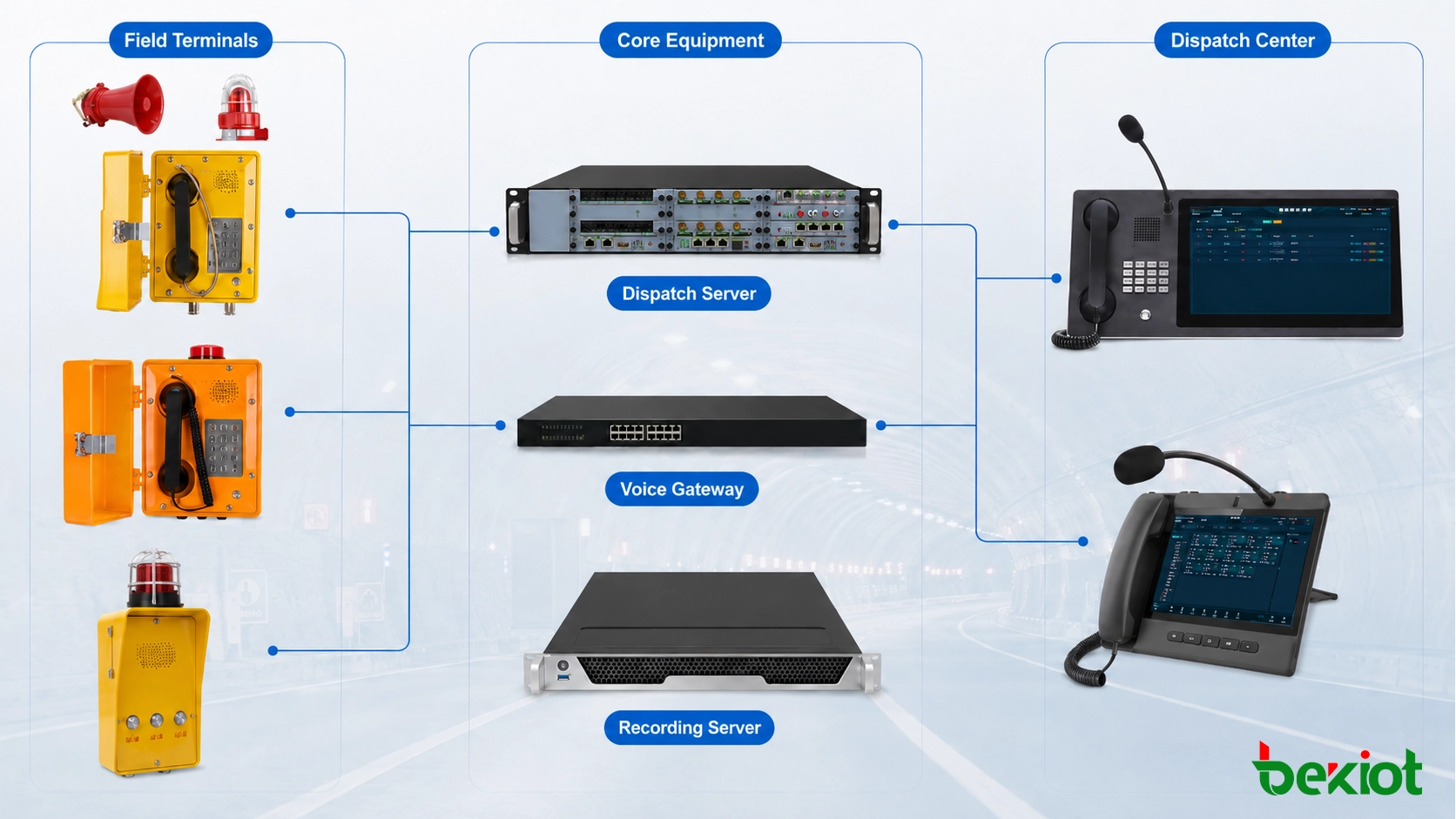
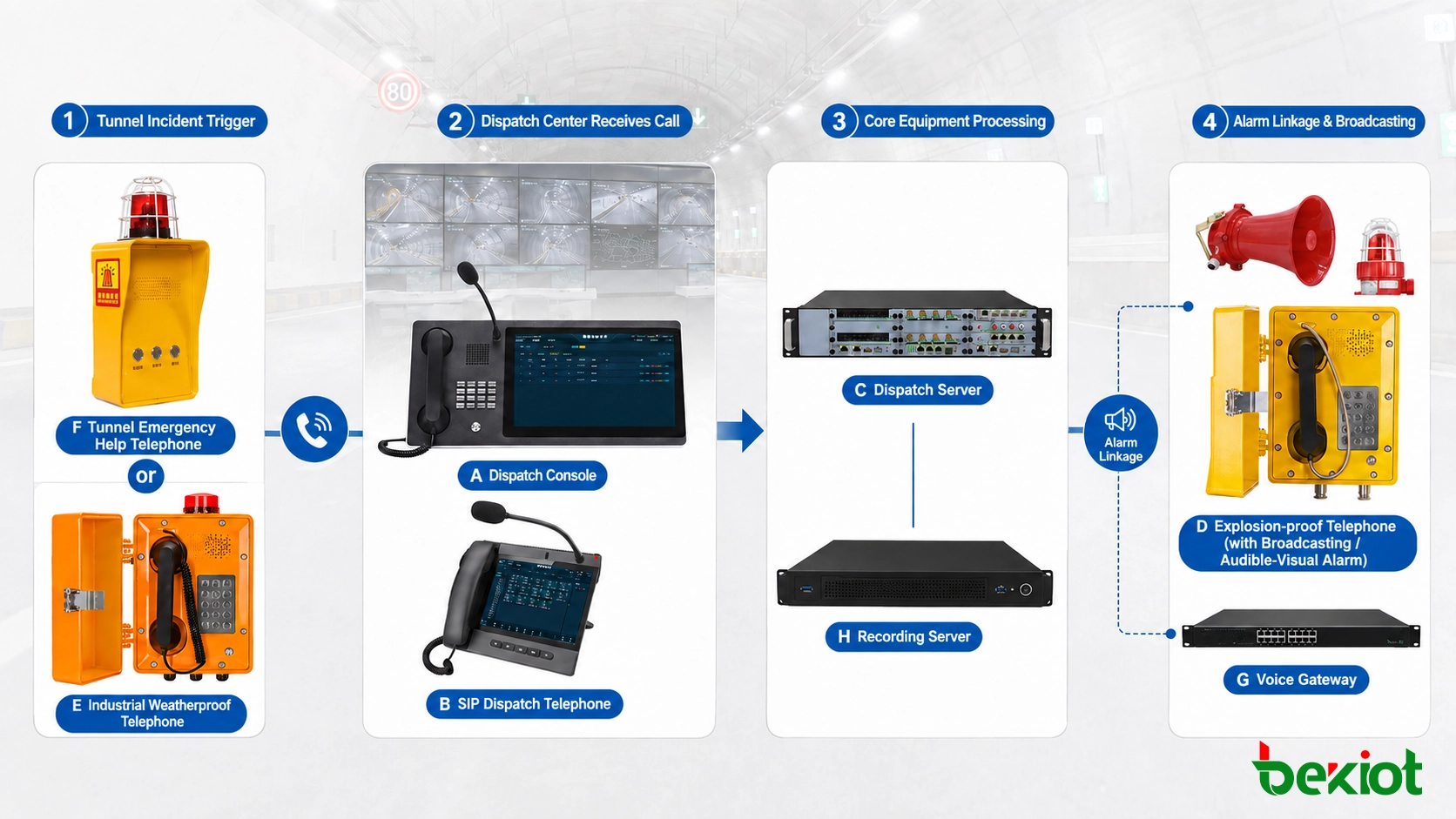
公路隧道应急通信系统架构,连接工业电话、调度台、广播设备和录音服务器
公路隧道应急通信系统架构:现场电话通过隧道通信网络接入SIP调度平台、广播设备和录音管理系统。
系统部分主要设备主要用途
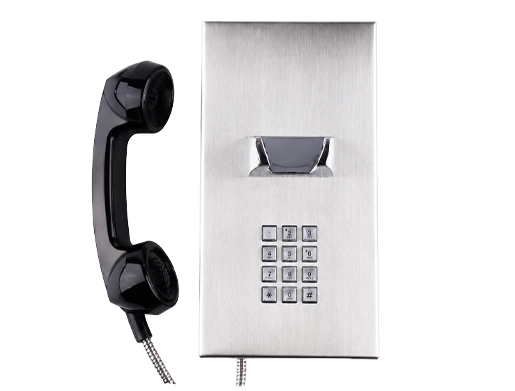
现场通信工业防水电话、紧急求助电话、防爆电话事件报警、设备故障上报和现场通信
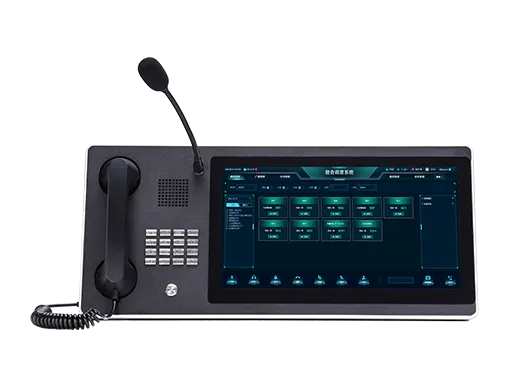
调度通信调度台、SIP调度电话、调度主机来电受理、人员呼叫和应急指挥
广播与报警广播号角、寻呼终端、声光报警设备分区通知、交通警示和疏散指令发布
录音管理录音服务器、运营管理平台保存通话、广播和调度操作记录
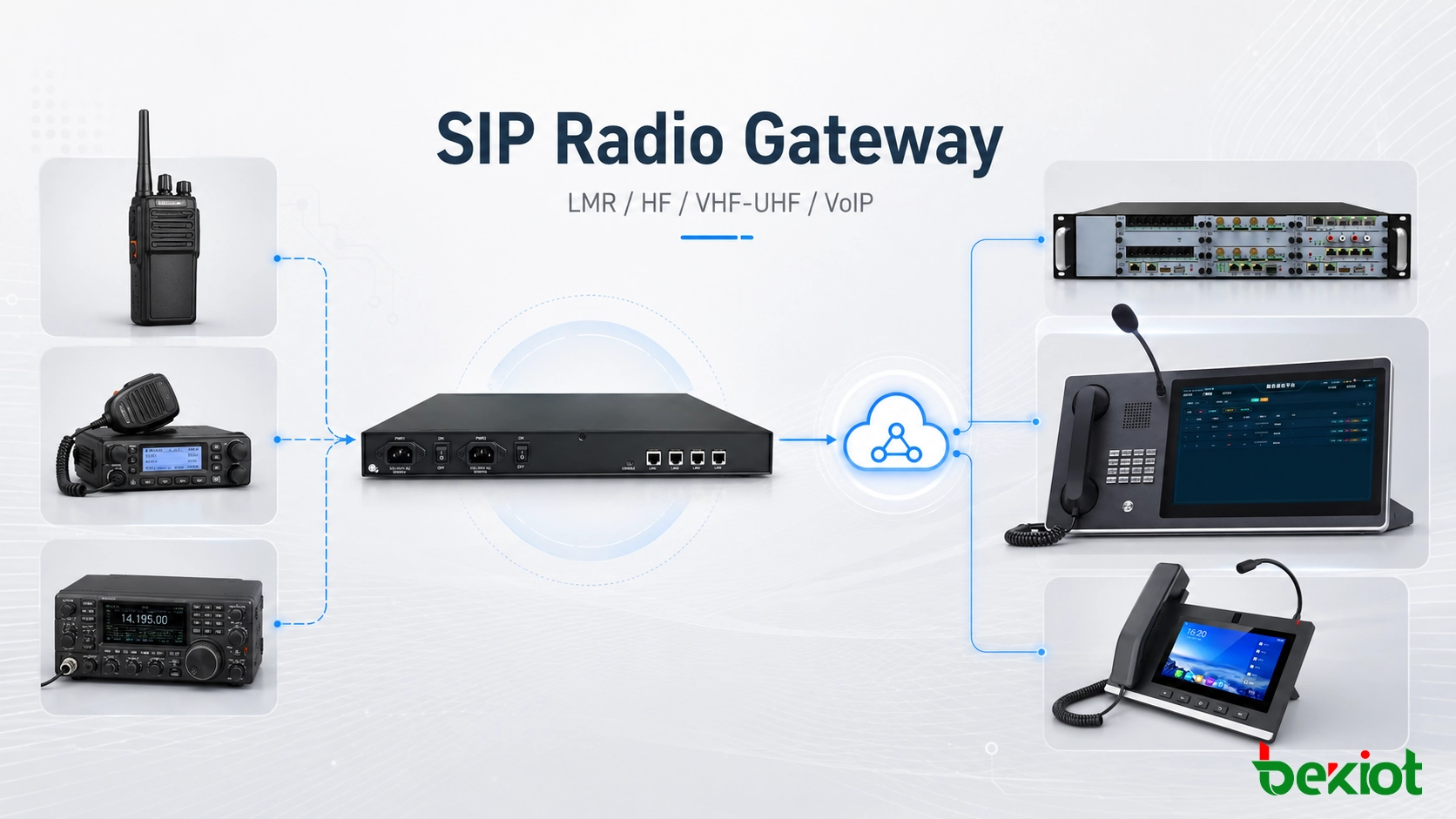
既有系统接入语音网关接入现有模拟电话和通信线路

每部现场电话都应在系统中登记隧道名称、行车方向、桩号、设备编号和安装位置。当来电进入调度台后,值班人员能够直接查看终端身份,无需额外询问来电人员具体所在位置。

相关系统: 高速公路一体化指挥调度解决方案

现有模拟紧急电话可通过语音网关接入SIP调度系统。原有设备不需要一次性全部更换,新建和改造隧道区段可根据网络条件分阶段实施。

现场通信终端部署

隧道主线与紧急停车带

工业防水电话或紧急求助电话适合部署在紧急停车带、隧道出入口和沿线固定求助点。终端应具备醒目标识、操作简单和可靠环境防护等特点,使驾驶人员或其他隧道使用者在车辆故障或紧急情况下能够及时联系监控中心。

车行横洞与人行横洞

横洞承担车辆转移、人员疏散和应急救援等任务,可在这些位置部署一键呼叫终端。接到呼叫后,值班人员能够通过终端名称直接确认具体横洞位置,并通过附近广播分区发布疏散或等待指令。

设备机房与变电所

通风机房、泵房、变电所和通信设备机房可部署工业电话,便于维护人员与监控中心保持联系。终端的外壳材质、防护等级、工作温度和安装方式,应结合现场湿度、粉尘和设备噪声情况进行选择。
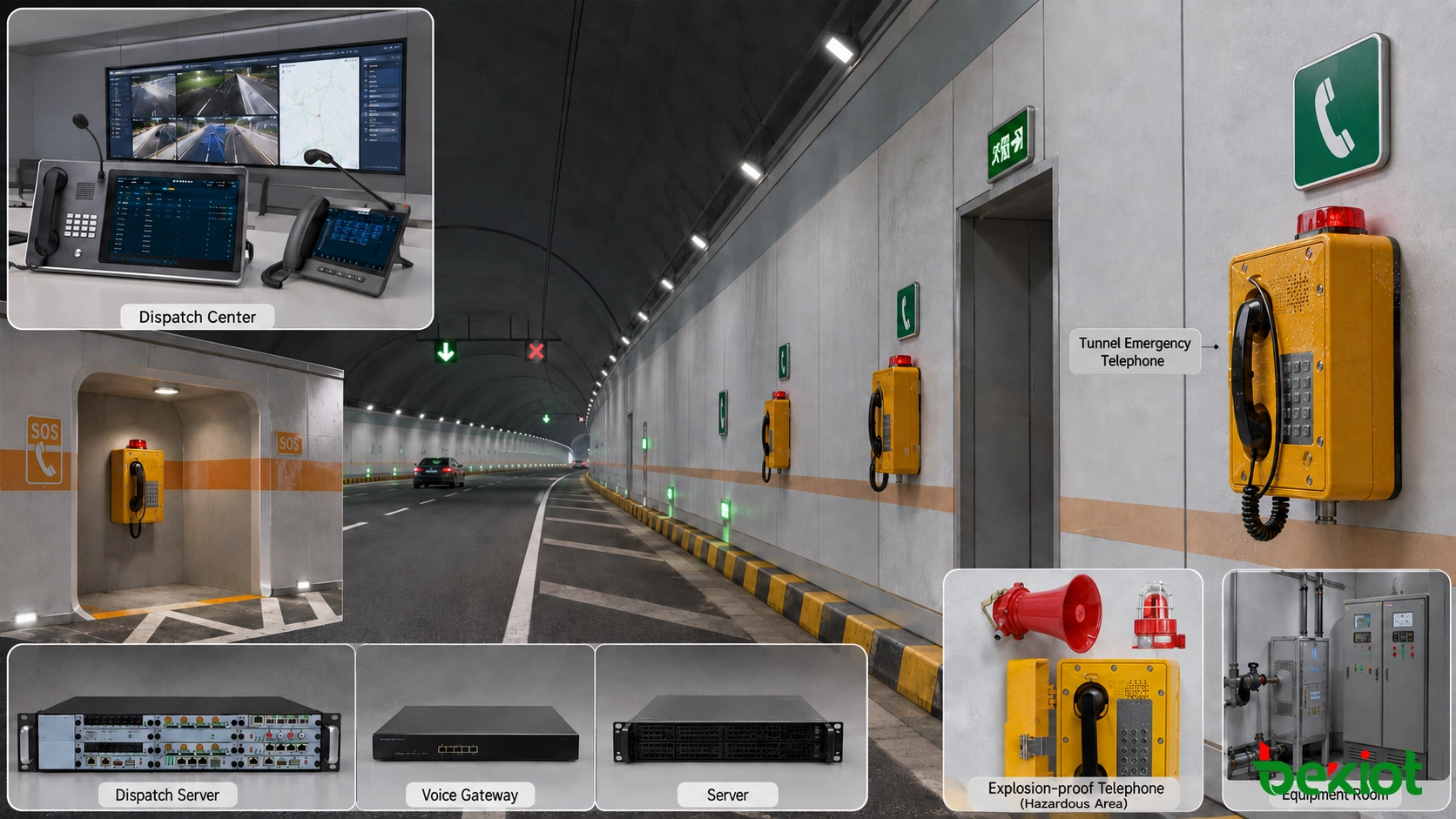
工业应急电话部署在公路隧道紧急停车带、横洞和设备机房
现场终端部署:工业电话为紧急停车带、横洞、设备机房及其他重要隧道点位提供固定应急呼叫入口。

特殊危险区域

防爆电话并不是所有公路隧道点位的标准配置。只有经过风险评估,确认存在易燃气体、可燃粉尘或其他爆炸性环境时,才需要配置防爆电话。所选通信终端的认证范围应与危险介质、区域等级和温度组别相匹配。

监控室与管理站

隧道监控中心宜配置可视化调度台,管理站和值班室可部署SIP调度电话。两类终端接入同一号码体系,可满足日常通信、来电转接以及不同岗位之间的协同联络需求。

调度中心通信控制

调度台可按照隧道区段、桩号、行车方向和岗位类型显示通信对象,同时标识各终端的在线、离线、空闲、振铃和通话状态。值班人员可以直接选择对应位置发起呼叫,无需记忆大量分机号码。

现场电话呼叫监控中心后,调度员可以直接接听,也可以将来电转接至巡检、维修或管理岗位。当多个部门需要共同参与处置时,调度员可将现场人员、维修团队和相关负责人接入同一通话,减少信息重复转述。

紧急求助电话可以设置更高的呼叫优先级。当重要通信线路被占用时,如果项目配置了相关功能,授权人员可使用强插、强拆或监听等调度功能。此类权限应仅开放给指定岗位,并记录全部操作过程。

当终端离线、网络连接中断或注册失败时,管理平台应及时产生告警。维护人员可根据设备编号和安装位置安排检查,避免现场电话长时间失效而无人发现。

电话、广播与视频联动

应急通信不能停留在电话接通这一环节。监控中心接到求助后,还需要通过附近视频画面判断事件性质,通知相关处置人员,并向受影响的隧道区段发布广播信息。

隧道内发生车辆碰撞时,可按照以下流程进行处置:

  1. 驾驶员或现场人员通过紧急电话呼叫监控中心;

  2. 调度台显示电话所在隧道、行车方向和桩号;

  3. 值班人员接听电话,并调取附近摄像机画面核实现场情况;

  4. 根据事故情况通知巡检、救援或维修人员;

  5. 通过附近广播分区提醒后方车辆减速或停车;

  6. 需要疏散时,启动横洞附近的广播和声光报警设备;

  7. 现场反馈、调度通话和广播操作统一写入同一事件记录;

  8. 事件处置完成后,由值班人员确认事件结束。

公路隧道紧急电话与视频监控、调度控制、广播和声光报警联动
应急联动流程:隧道来电确认事故位置后,系统调取附近视频,通知处置人员,并启动对应广播和报警区域。

电话点位、摄像机编号和广播分区应在系统建设阶段完成对应关系配置。这样在来电进入系统后,值班人员能够直接调取最近的视频画面并选择对应广播区域,无需再次查找设备编号。

与火灾报警、交通事件检测或隧道综合监控平台对接时,应提前明确接口方式、触发条件和控制权限。涉及车道关闭、人员疏散或设备停机等操作时,宜保留人工确认环节。

通话录音与事件记录

录音系统保存现场电话、调度台和管理岗位之间的重要通话,同时记录主叫号码、被叫号码、呼叫时间、接通状态、通话时长和操作席位。

管理人员可按照隧道名称、电话号码、桩号、时间或事件编号查询记录。当同一事件涉及多次通话、转接、广播和现场反馈时,可按照时间顺序整理相关记录,还原完整的事件处置过程。

录音不仅用于事故复盘,也可以用于值班检查、设备故障追踪和操作指令确认。例如,可以通过记录核对维修人员何时收到任务、交通警示是否已经发布,以及隧道何时确认恢复通行。

录音保存周期、备份位置、查询权限和导出规则应根据隧道运营管理制度进行配置。重要记录应限制普通用户账号随意删除或修改。

系统可靠性与项目实施

公路隧道通信系统需要保持连续运行。长隧道、隧道群和重要交通通道可根据管理等级配置调度主机冗余、应用服务器冗余、光纤环网、UPS备用电源和网络运行告警。

核心设备发生故障时,备用设备应尽快接管主要通信业务。号码数据、终端配置和录音文件需要定期备份,避免单台设备故障同时造成系统配置和历史记录丢失。

正式投入使用前,项目应对终端注册、语音质量、热线呼叫、自动接听、呼叫转接、广播、录音和离线告警进行测试。SIP设备还需要检查音频编码、DTMF传输、呼叫控制以及不同厂商设备之间的兼容性。

现场施工完成后,还应最终核对电话号码、实际安装位置、桩号标识和平台中的点位名称。只有系统中的终端信息与实际安装位置保持一致,监控中心才能在紧急情况下准确确认现场位置。

系统部署后的运行效果

系统部署完成后,隧道沿线形成固定的应急呼叫点位,现场人员能够通过附近终端联系监控中心。值班人员可以根据来电信息确认行车方向和桩号,调取最近的视频画面,联系相关处置人员并发布广播指令。

通过集中监测终端状态,离线设备和网络故障能够更及时地被发现。电话、广播和调度记录按照同一事件集中保存后,也减少了值班检查或事故复盘过程中从多个独立系统人工收集数据的工作量。

贝克通信可根据隧道长度、点位分布、环境条件和现有网络资源,配置工业防水电话、防爆电话、SIP调度电话、调度台、调度主机、语音网关、录音服务器和广播终端,为隧道日常运营、机电维护和突发事件处置提供稳定可靠的固定通信保障。

推荐产品
目录
客服 电话
We use cookie to improve your online experience. By continuing to browse this website, you agree to our use of cookie.

Cookies

This Cookie Policy explains how we use cookies and similar technologies when you access or use our website and related services. Please read this Policy together with our Terms and Conditions and Privacy Policy so that you understand how we collect, use, and protect information.

By continuing to access or use our Services, you acknowledge that cookies and similar technologies may be used as described in this Policy, subject to applicable law and your available choices.

Updates to This Cookie Policy

We may revise this Cookie Policy from time to time to reflect changes in legal requirements, technology, or our business practices. When we make updates, the revised version will be posted on this page and will become effective from the date of publication unless otherwise required by law.

Where required, we will provide additional notice or request your consent before applying material changes that affect your rights or choices.

What Are Cookies?

Cookies are small text files placed on your device when you visit a website or interact with certain online content. They help websites recognize your browser or device, remember your preferences, support essential functionality, and improve the overall user experience.

In this Cookie Policy, the term “cookies” also includes similar technologies such as pixels, tags, web beacons, and other tracking tools that perform comparable functions.

Why We Use Cookies

We use cookies to help our website function properly, remember user preferences, enhance website performance, understand how visitors interact with our pages, and support security, analytics, and marketing activities where permitted by law.

We use cookies to keep our website functional, secure, efficient, and more relevant to your browsing experience.

Categories of Cookies We Use

Strictly Necessary Cookies

These cookies are essential for the operation of the website and cannot be disabled in our systems where they are required to provide the service you request. They are typically set in response to actions such as setting privacy preferences, signing in, or submitting forms.

Without these cookies, certain parts of the website may not function correctly.

Functional Cookies

Functional cookies enable enhanced features and personalization, such as remembering your preferences, language settings, or previously selected options. These cookies may be set by us or by third-party providers whose services are integrated into our website.

If you disable these cookies, some services or features may not work as intended.

Performance and Analytics Cookies

These cookies help us understand how visitors use our website by collecting information such as traffic sources, page visits, navigation behavior, and general interaction patterns. In many cases, this information is aggregated and does not directly identify individual users.

We use this information to improve website performance, usability, and content relevance.

Targeting and Advertising Cookies

These cookies may be placed by our advertising or marketing partners to help deliver more relevant ads and measure the effectiveness of campaigns. They may use information about your browsing activity across different websites and services to build a profile of your interests.

These cookies generally do not store directly identifying personal information, but they may identify your browser or device.

First-Party and Third-Party Cookies

Some cookies are set directly by our website and are referred to as first-party cookies. Other cookies are set by third-party services, such as analytics providers, embedded content providers, or advertising partners, and are referred to as third-party cookies.

Third-party providers may use their own cookies in accordance with their own privacy and cookie policies.

Information Collected Through Cookies

Depending on the type of cookie used, the information collected may include browser type, device type, IP address, referring website, pages viewed, time spent on pages, clickstream behavior, and general usage patterns.

This information helps us maintain the website, improve performance, enhance security, and provide a better user experience.

Your Cookie Choices

You can control or disable cookies through your browser settings and, where available, through our cookie consent or preference management tools. Depending on your location, you may also have the right to accept or reject certain categories of cookies, especially those used for analytics, personalization, or advertising purposes.

Please note that blocking or deleting certain cookies may affect the availability, functionality, or performance of some parts of the website.

Restricting cookies may limit certain features and reduce the quality of your experience on the website.

Cookies in Mobile Applications

Where our mobile applications use cookie-like technologies, they are generally limited to those required for core functionality, security, and service delivery. Disabling these essential technologies may affect the normal operation of the application.

We do not use essential mobile application cookies to store unnecessary personal information.

How to Manage Cookies

Most web browsers allow you to manage cookies through browser settings. You can usually choose to block, delete, or receive alerts before cookies are stored. Because browser controls vary, please refer to your browser provider’s support documentation for details on how to manage cookie settings.

Contact Us

If you have any questions about this Cookie Policy or our use of cookies and similar technologies, please contact us at support@becke.cc .